
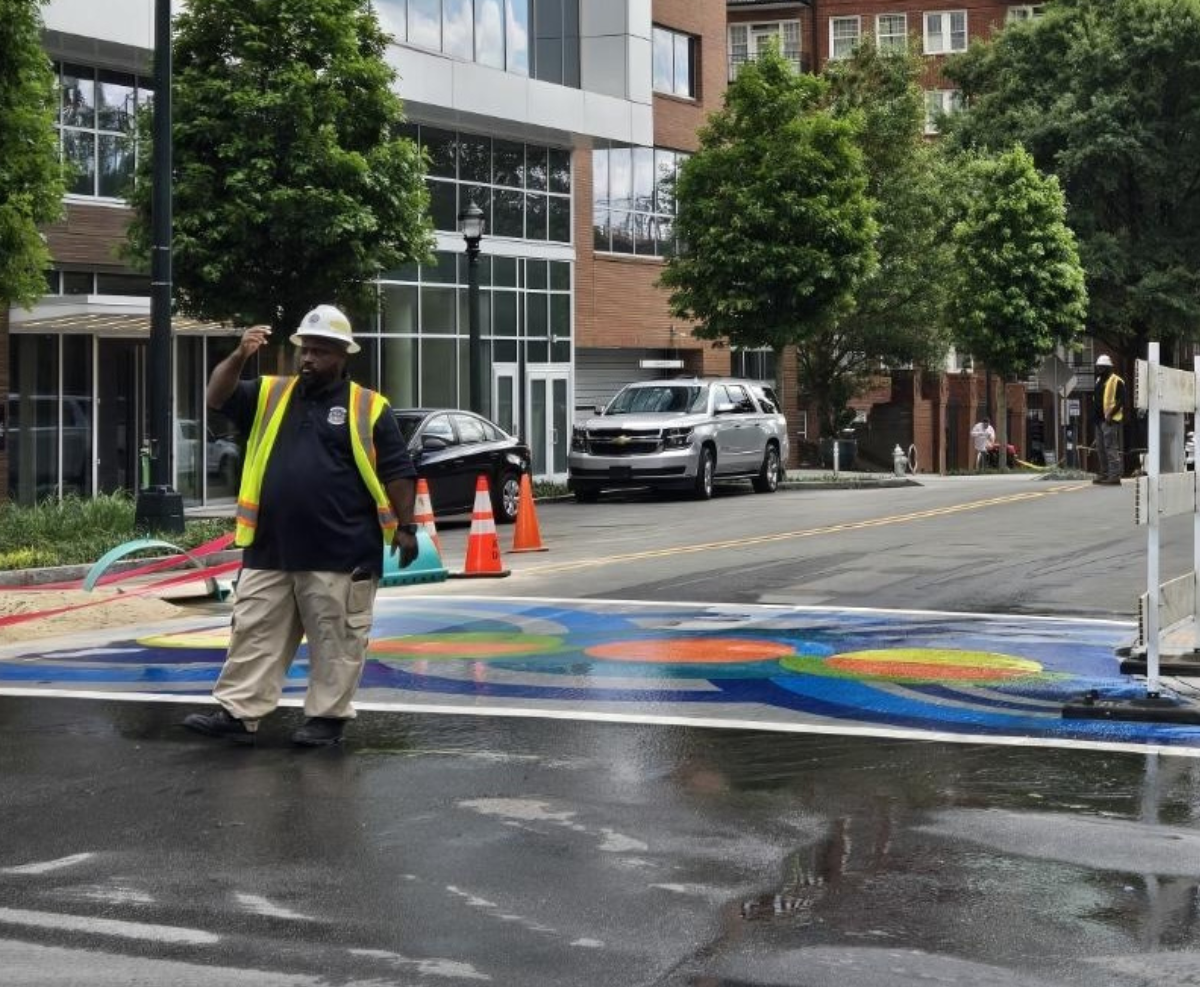


The Municipal Option Sales Tax (MOST) for city of Atlanta water and sewer projects has resurfaced for discussion after water main breaks left many Atlantans without water or on a boil-water advisory for most of the past week. Why are old water pipes breaking, residents are asking, when Atlanta has been collecting the MOST sales tax for 20 years now?
Here’s the short answer: While this one-cent sales and use tax is earmarked to finance water and sewer projects, it has largely gone toward critical sewage improvements.
The Environmental Protection Agency ordered the remediation following repeated sewage overflows into the Chattahoochee River and other local waterways. The city agreed to two consent decrees, which are court-ordered performance improvement plans, in 1998 and 1999 to fix combined sewer overflows (CSO) and sanitary sewer overflows (SSO) — at an estimated cost of $4 billion. What’s more, a portion of MOST revenue is allocated for stormwater management projects, like mitigating runoff.
Atlanta voters just approved paying the one-cent MOST sales tax for another four years in the May 21 primary election. Since then, the water outage that started last Friday has sparked an outcry for fixes to the city’s antiquated water pipes. The water main that broke in Mechanicsville was about 80 years old, and the one in Midtown was close to 100, according to news reports.
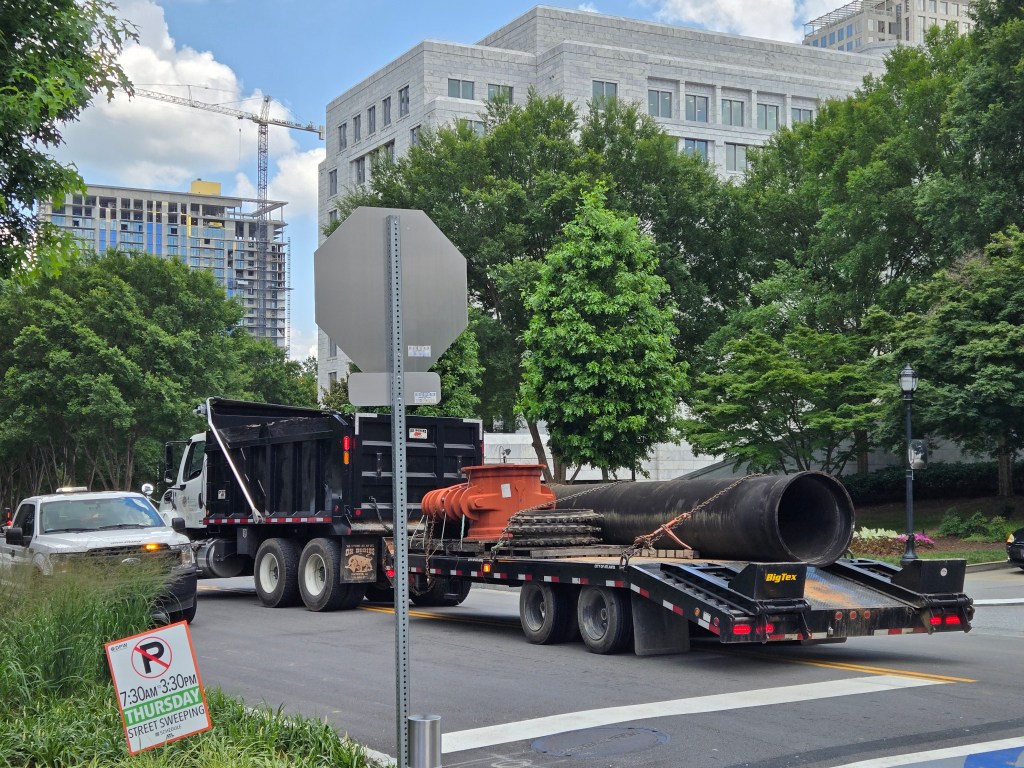

But water and sewage pipes are different: Sewage pipes carry dirty water out of the city – not clean water into it.
“This one cent sales tax — which is shared by residents and visitors alike — keeps our city’s water and sewer infrastructure improvements moving forward without raising the price of services, which disproportionately affects our most vulnerable communities,” Atlanta Mayor Andre Dickens said when voters reauthorized the MOST tax last month. “With your support, we are creating a safer and more sustainable infrastructure and a city built for the future.”
The MOST tax has generated over $2.5 billion in revenue since 2004, when it was first implemented. According to Atlanta Watershed Management, the MOST tax has helped to fund upwards of $2.3 billion in sewer system improvements so far.
These remediations have reduced the number of sewer spills by 62% and the volume of sewer spills by 94%. The city has also used the revenue to repair and replace over 387 miles of aged sewer lines.
Since 2004, Atlanta voters have overwhelmingly approved extending the MOST tax for additional four-year periods. Without MOST sales tax revenue, the city estimates there would be a 25% increase in water and sewer rates for Atlanta residents. The tax is set to expire in 2028.