


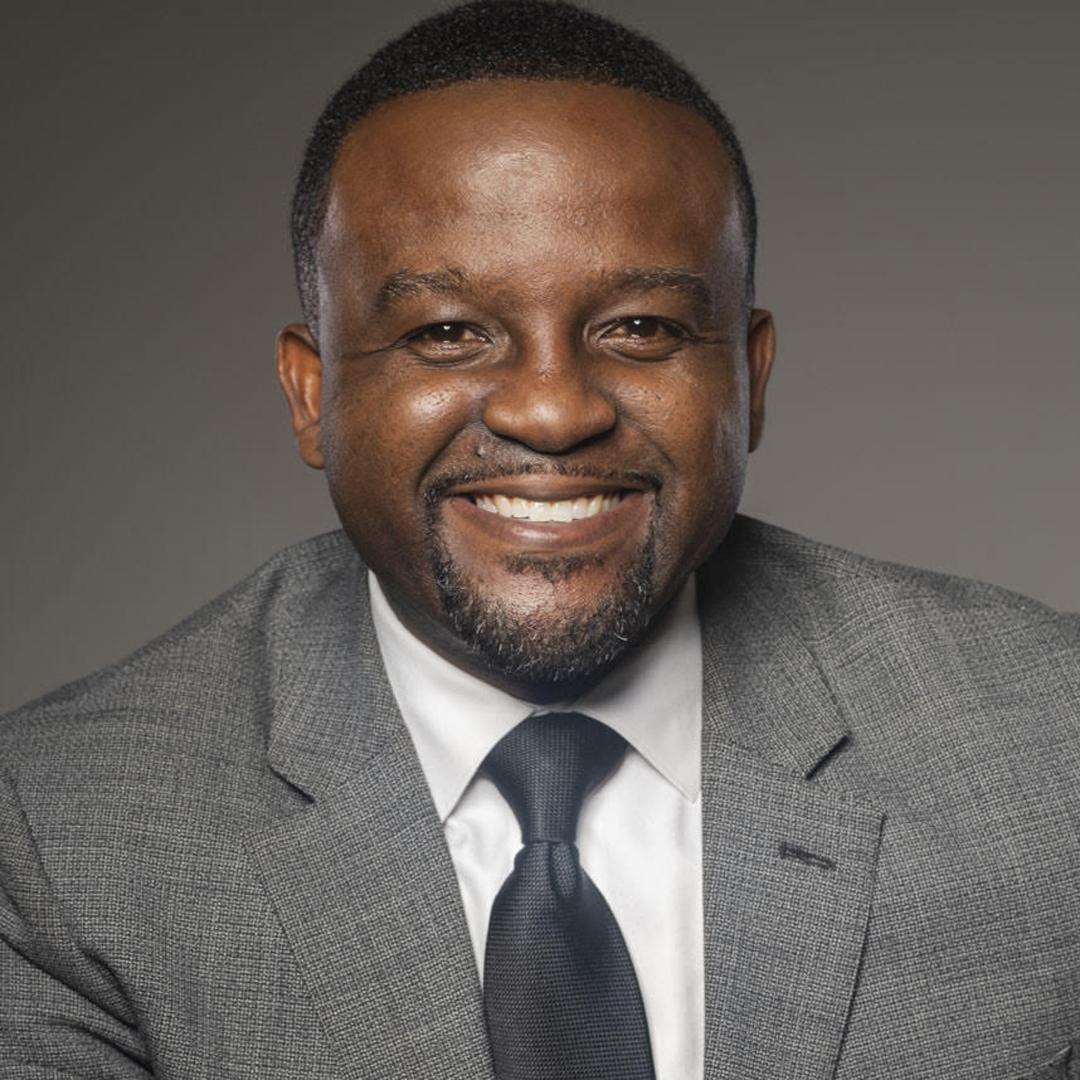

Fulton County Superior Court Judge Ural Glanville on Tuesday upheld Georgia Secretary of State Brad Raffensperger’s decision last month to disqualify Daniel Blackman from the District 3 Public Service Commission (PSC) race for failing to meet the residency requirement.
The Fulton judge’s decision came just a week before the June 17 primary election for the District 2 and 3 seats – both statewide races. The five-member Public Service Commission, currently all Republican, decides what rates utilities can charge consumers and businesses.
Blackman’s final recourse to remain in the District 3 race is to appeal to the Georgia Supreme Court. He did not immediately respond to a request for comment from Atlanta Civic Circle.
Blackman is one of four Democrats in the District 3 primary, along with Peter Hubbard, Robert Jones, and Keisha Waites. The winner will face Republican incumbent Fitz Johnson in November. Early voting has already started, with over 25,000 early votes cast in the Democratic primary for District 3 – an untold number for Blackman.
At issue was whether Blackman moved from Forsyth County to Fulton County in time — at least one full year before the Nov. 4 General Election — to qualify as a District 3 candidate. District 3 includes Fulton, Clayton, and DeKalb Counties, although PSC candidates are elected statewide.
Atlanta resident Rodney Stephens challenged Blackman’s residency on May 16. That was a day after the Atlanta Journal Constitution reported Blackman changed his voter registration from Forsyth to Fulton only one day before the qualification deadline.
Administrative Law Judge Dominic Capraro ordered Blackman disqualified on May 27, the first day of early voting. The next day, Raffensperger upheld the decision. Blackman appealed on May 29 and Glanville set a hearing for June 10. In the meantime, Blackman has continued to appear on the Democratic primary ballot.
Glanville’s ruling came after an hour-long zoom hearing on June 10. Blackman’s attorney, Matthew Wilson, argued that disqualifying him was “arbitrary and capricious.”

Blackman changed his voter registration to Fulton a year and a day before this year’s Nov. 4 General Election, in accordance with the legal qualification deadline. But one of the disqualification challenges was that he still voted in Forsyth for last year’s General Election on Nov. 5, 2024.
His lawyer argued that Georgia law permits people to vote in their previous county of residence, if they moved within 30 days of an election. Blackman changed his residency to a Fulton apartment in October, 2024.
Another disqualification challenge was that Blackman’s family continued to live in their Forsyth residence. But Wilson argued that where Blackman’s family lives has no bearing on his own legal residence, adding that his family remained in Forsyth because he didn’t want his children to change schools during the school year.
Attorney General’s Office attorney Alexandra Noonan argued for the Secretary of State that Blackman’s testimony about actually relocating from his Forsyth home to an apartment in Midtown Atlanta was “largely uncorroborated.” Noonan pointed out that Blackman continued to pay bills and taxes, receive mail, and keep his vehicles registered at his address in Forsyth. “Mr. Blackman’s affirmative case is very thin,” she said.

Wilson contested the state’s assertion that the evidence was uncorroborated. “What more does the secretary want? He has followed the law, your honor,” Wilson said.
At issue was whether Blackman merely showed intent to reside at his new Fulton address, or whether he actually relocated there. “There is no evidence of actual removal from the Forsyth house,” Noonan said. “There was a failure to show that he actually resided at the [Fulton] property”
Glanville ruled in favor of the Secretary of State, upholding the disqualification.