

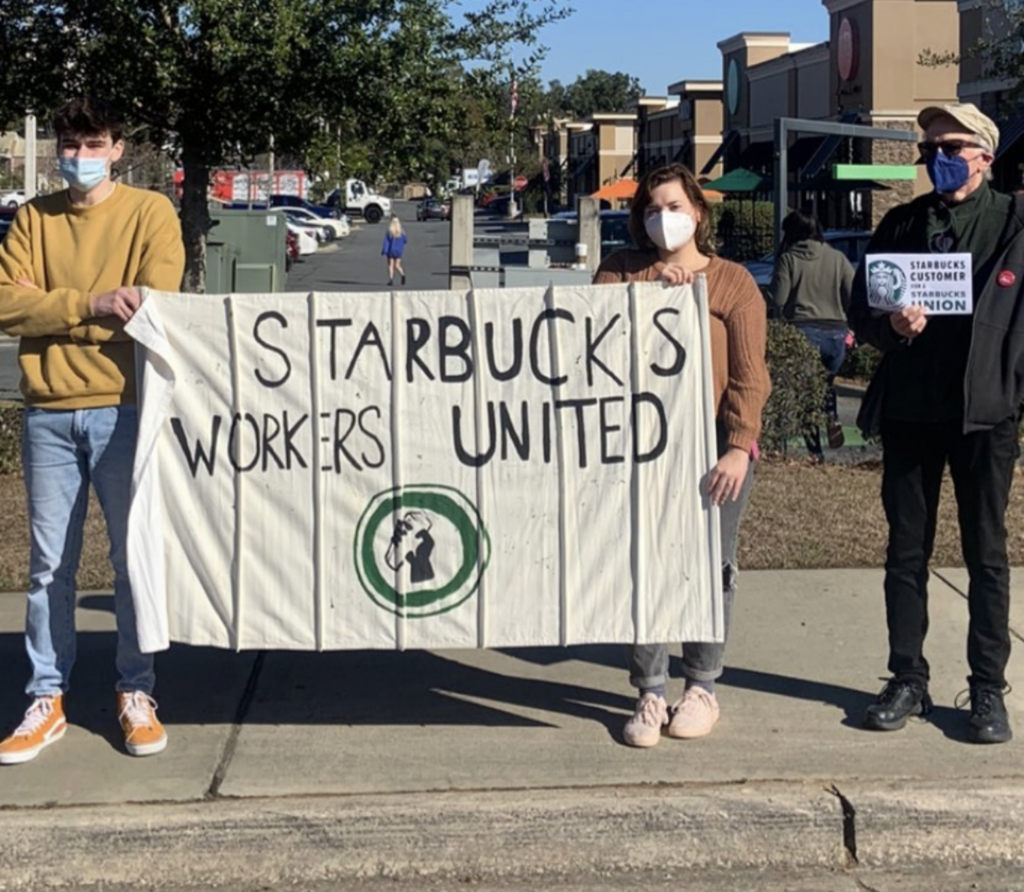


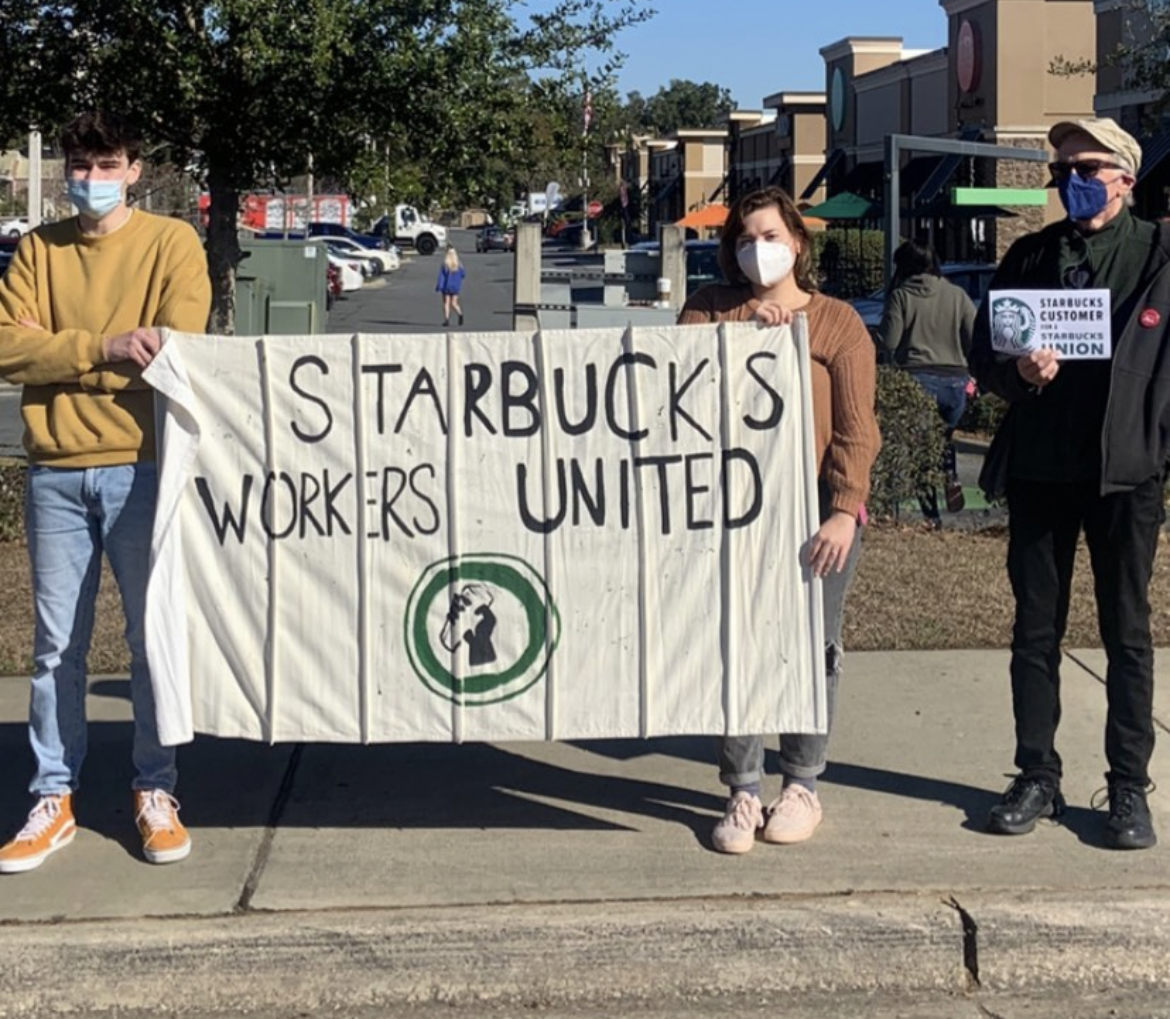
Unionized Starbucks stores in Atlanta are gearing up to join a national strike over stalled contract negotiations, unless Starbucks makes a serious offer, says a local Starbucks Workers United (SBWU) organizer.
The union has three core demands for Starbucks Reduce understaffing by giving baristas more hours, increase base pay to $20 per hour with 5% annual raises, and resolve the union-busting charges that SBWU has filed with the National Labor Relations Board.
“We are ready to do whatever it takes to settle this contract,” SBWU’s Georgia organizer Amanda Rivera told Atlanta Civic Circle. That means an offer from Starbucks with higher base salaries and annual raises, she said. “90% of the contract is agreed upon already. The only thing we’re missing is the economic package.”
“Finalize fair contracts for baristas, or we’ll see you on the picket line,” warned Workers United president Lynne Fox in a Sept. 15 op-ed published in In These Times.
Local SBWU baristas are energized about the impending action, Rivera said. “They really want to experience what it is to have power – to use your legal right to withhold your labor to advocate for a better work environment and better pay.”
Rivera declined to say when to expect walk-offs, adding that SBWU workers are holding practice pickets through October. On Sept. 22 for instance, SBWU workers in Seattle held a rally at the Starbucks Reserve Roastery, just blocks from Starbucks’ original store at Pike Place.
SBWU’s struggle to win a contract has attracted support from other unions. Last week, the AFL-CIO, additional unions, and progressive political groups issued an open letter to Starbucks supporting a strike. Their letter says they won’t cross picket lines at striking stores, and could even call their own strikes in solidarity.
Fraught contract negotiations
SBWU has been trying to win a contract with Starbucks since late 2021, when the first store unionized. Since then, about 650 stores have joined SBWU – but none have won a contract with Starbucks. One obstacle has been the coffee giant’s insistence on negotiating contracts individually with each store.
SBWU and Starbucks started bargaining a “national framework” contract in April, 2024. From there, individual unionized shops could negotiate specifics, such as regional cost of living differences, or the different needs for a drive-thru versus a sit-down store, Rivera explained.
Over monthly bargaining sessions, both sides hammered out 33 tentative agreements (TAs) over a host of issues – but not pay. Talks broke down in December of last year, and the union called a multi-day strike right before Christmas in a move to get Starbucks back to the bargaining table. Roughly 300 unionized stores participated in the mass walk-offs.
Last April, 490 SBWU bargaining delegates overwhelmingly voted down Starbuck’s foundational framework package. One sticking point was the offer of a base 2% annual pay increase. “They came to the table at the end with a very small amount, an insulting amount,” Rivera said. “We decided to walk away from the table, because they were not coming with a serious offer.”
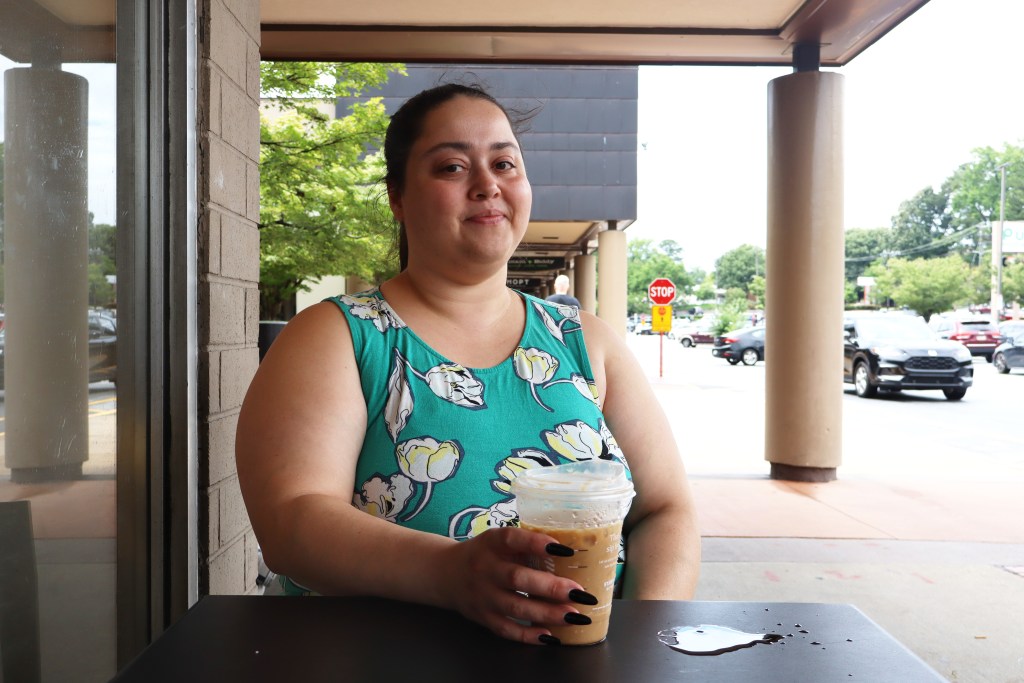
Right now, a Starbucks barista working 20 hours per week makes about $15,000 per year and hourly pay ranges from $12 to $22, depending on the store location.
Starbucks maintains that its total compensation package, including benefits like health insurance, is generous. According to a statement, it “offers the best job in retail with pay and benefits for hourly partners worth an average of $30 per hour, and including free college tuition, comprehensive health care, and up to 18 weeks of paid family leave for part time work.”
When Starbucks CEO Brian Niccol took the helm just over a year ago, he promised to work with the union, but there hasn’t been much progress on contract negotiations since then.
Workers are still underpaid and chronically understaffed, according to SBWU. Of almost 800 baristas asked about their top job concerns, 91% said staffing shortages, 76% said an overwhelming pace of work, and 69% said erratic and unpredictable scheduling, according to a new survey that SBWU released earlier this month.
Rivera pointed out that while Starbucks baristas are struggling to pay their bills, Niccols received a compensation package for 2024 alone worth at least $96 million (including $90 million in stock awards and a $5 million signing bonus to join from Chipotle).
“For less than what they paid CEO Brian Niccol last year, Starbucks can finalize fair contracts with 12,000+ union baristas,” SBWU says.
Starbucks referenced the stalled national framework negotiations in a statement, saying that since April 2024 they had nine bargaining sessions over 20 days, and three mediation sessions over five days with a federal mediator.
It’s on the union to resume negotiations, the statement said. “We are ready to finalize a reasonable contract for represented partners, but we need the union to return to the bargaining table to finish the job.”
Sure, go on strike. There are lots of alternatives to Starbucks for coffee. Many who leave will never return, and stores will close, resulting in union workers losing their jobs. If Starbucks has offered a pay package of $30/hr as stated, that sounds like a fair wage. And treat the customers like the gold they are, and the tip jar will add even more to the compensation.