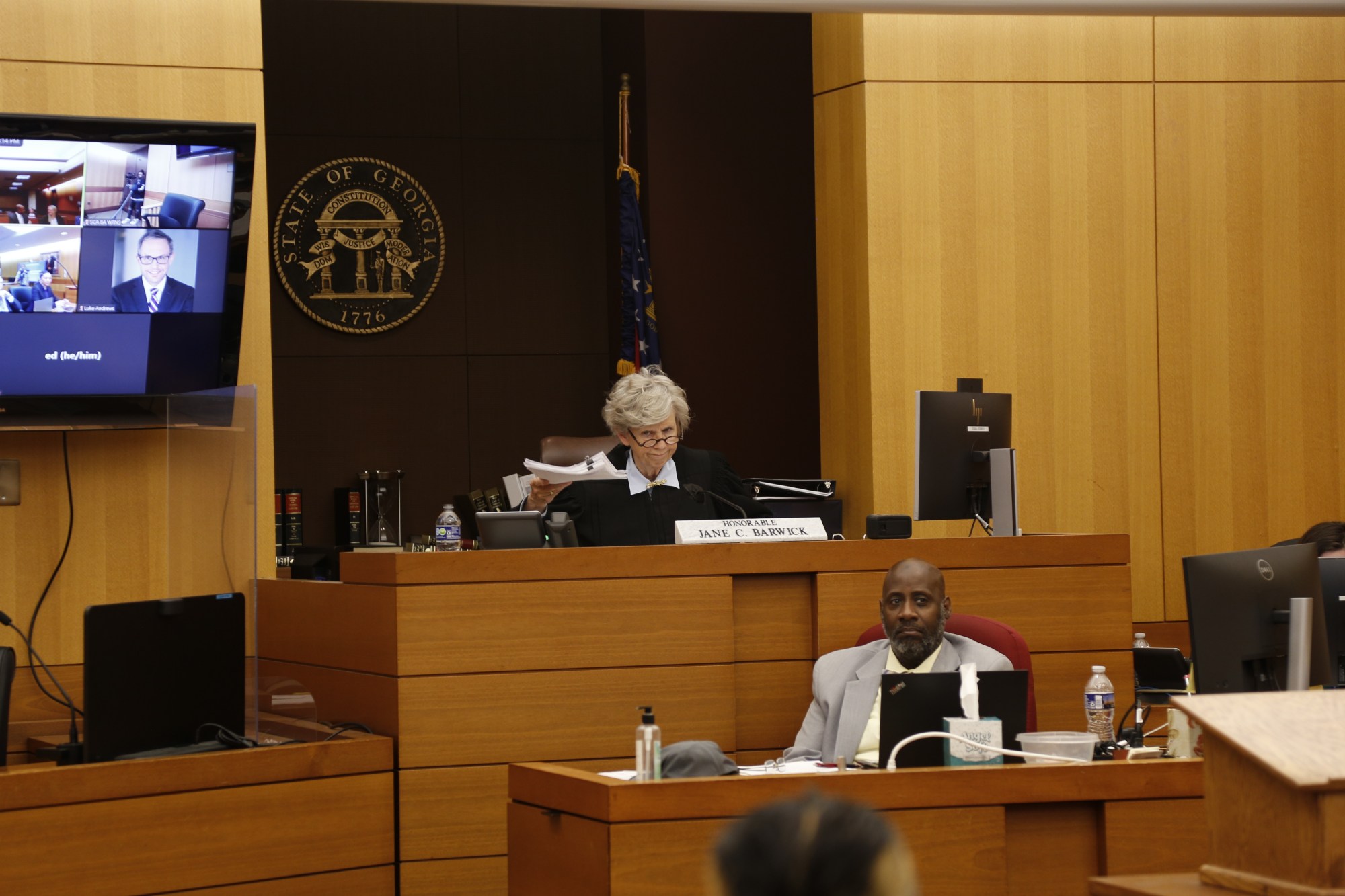

The Atlanta Police Foundation (APF) must turn over records related to the Atlanta Public Safety Training Center — or “Cop City” — within 30 days, Fulton County Superior Court Judge Jane Barwick ordered on Monday.
Barwick’s decision follows a closely watched legal battle initiated by journalists and researchers seeking greater transparency about the polarizing project’s construction on city-owned land. The plaintiffs — the Atlanta Community Press Collective (ACPC) and Lucy Parsons Labs, a Chicago-based research group — requested emails, APF board meeting agendas, and minutes.
“This court concludes that APF was under a duty to provide records to ACPC and Lucy
Parsons Labs pursuant to the Open Records Act,” Barwick wrote in her 12-page order, delivered two months after a two-day bench trial in April. “Under the authority explained in this order, no exemptions applied.”
However, Barwick narrowly tailored her ruling, only forcing APF to hand over the records at issue.
While many observers hoped the decision would clarify how Georgia’s Open Records Act applies to non-profits whose work is almost exclusively related to a government agency, the judge explicitly declined to set broader legal precedents.
“Plainly speaking, this court is not entering an advisory opinion,” Barwick wrote.
Barwick clarified that the order does not designate APF a “public entity” whose records are all declared “public and accessible.” Nor does the order make the requested records available in future open records requests, “though everyone should comply with the law.”

The judge also declined to award attorney’s fees to ACPC and Lucy Parsons Labs, ruling that APF’s violation of the Open Records Act was not done “knowingly and willfully.” In doing so, Barwick also agreed that, while not valid, APF’s stated reason for denying the requests was reasonable.
APF lawyers argued that releasing the records would endanger named individuals, citing the harassment and sometimes violent tactics Stop Cop City activists have employed to oppose the facility. APF also argued that ACPC was functionally an arm of the activist movement, equating their actions to “terrorism.”
ACPC rejected that characterization, asserting that Georgia’s open records law does not permit withholding public documents based on the requester’s identity, an argument that Barwick endorsed in the closing sentence of her order.
“Let the record also be clear that the identity of the requester does not determine whether records are characterized as public,” she wrote.
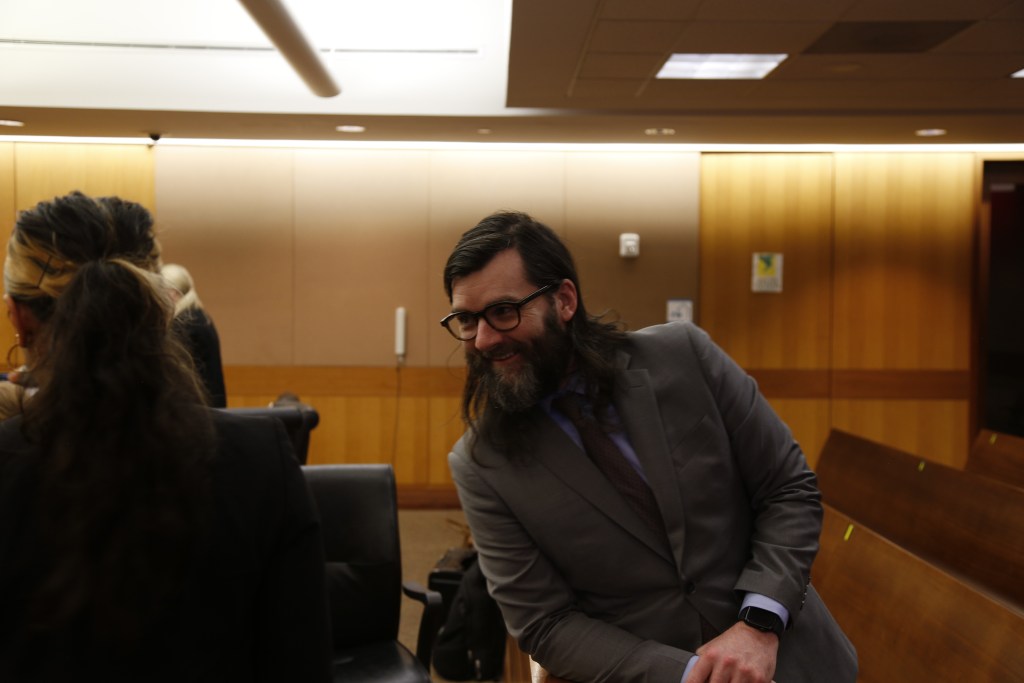
Samantha Hamilton, ACPC’s staff attorney, said she was glad that Barwick “saw through” APF’s stated justification for withholding the records from ACPC and Lucy Parsons, and that in reality they had done so simply because they had published information critical of APF and the training center.
“It’s frustrating that we had to go through the whole process of filing a lawsuit a year and a half ago to prove what we knew to be true all along: that these records related to Cop City are subject to the Georgia Open Records Act,” she said.
It is unclear whether APF plans to appeal the ruling. Former Georgia Supreme Court Chief Justice Howard Melton, the Troutman Pepper attorney who represented APF during the trial, declined to comment for this story.