Even with blockbuster Democratic turnout, most progressive challengers failed to unseat incumbent judges Georgia’s nonpartisan judicial races, which were decided on Tuesday.
Several voters whom Atlanta Civic Circle and our Election Day reporting partners spoke to said they weren’t even aware there were judicial elections – or that they were decided on Tuesday. Consequently, the incumbent advantage prevailed for many judges on the ballot.
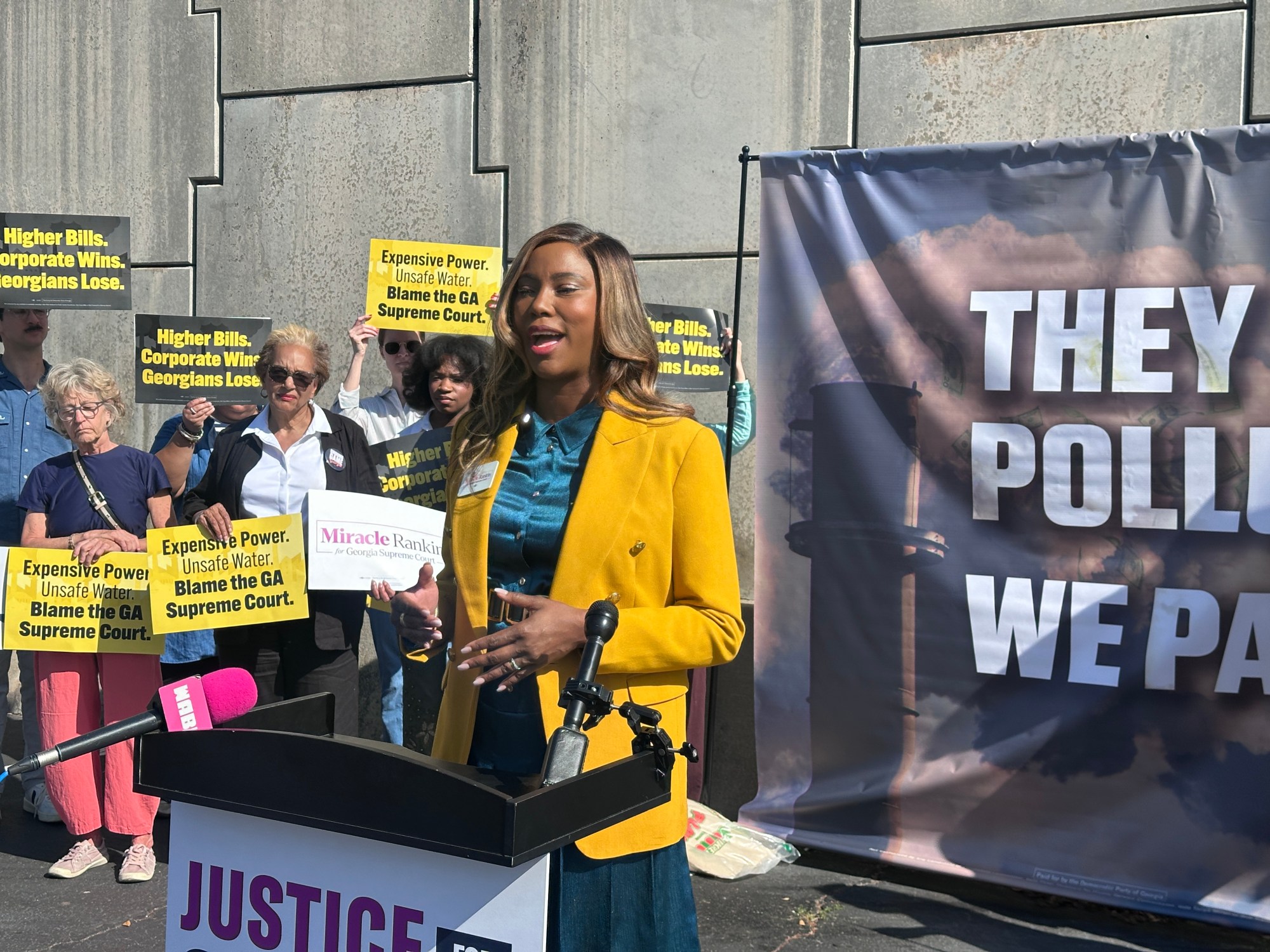
At the top of the judicial ticket, Georgia Supreme Court Justices Sarah Warren and Charlie Bethel, both appointed by Republican governors, fended off vigorous challenges from former Democratic state senator Jen Jordan and plaintiffs attorney Miracle Rankin, respectively.
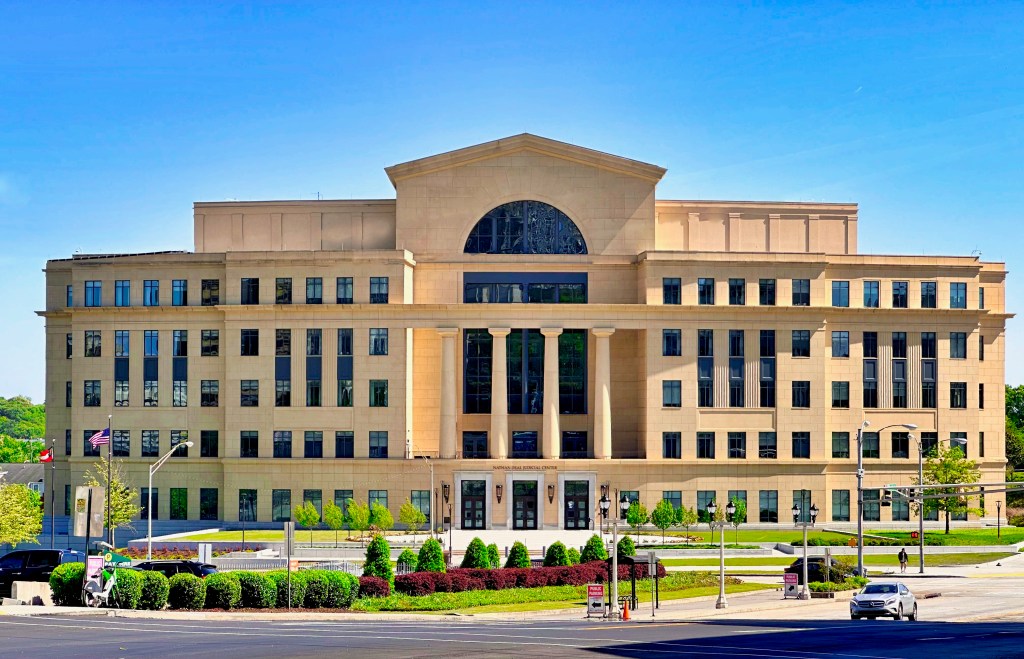
Rankin came very close, capturing 48.9% of the vote to Bethel’s 51.1%.. But Warren decisively prevailed against Jordan with 59.3% of the vote to 40.7%.
One Atlanta voter, Rebecca, 51, who wished to be identified by first name only, said she was at a loss for information for the judicial races, and voted for the incumbents by default. “I f-ed up,” she said, after learning about the progressive challengers in the Georgia Supreme Court race.
For the Georgia Court of Appeals, Will Wooten, a deputy district attorney for Fulton County, also lost his bid to unseat Judge E. Trenton Brown III, who won with 63.8% of the vote. Wooten was one of the prosecutors for the Fulton election interference case against President Donald Trump.
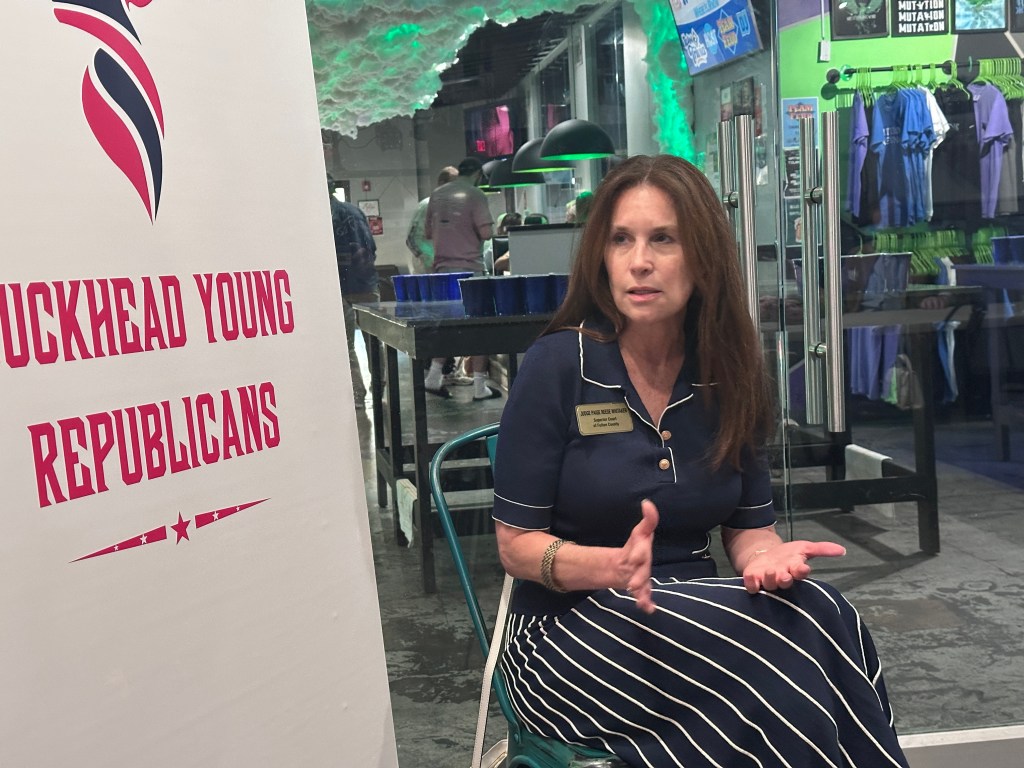
However, two Fulton Superior Court judges, Craig Schwall and Paige Whitaker, lost their seats to challengers. Janice Moore ousted Schwall with 60% of the vote and Nikia Smith Sellers squeaked out a win against Whitaker with 50.8% of the vote.
Old Fourth Ward voter Ryan Charlton also said he didn’t have enough information about the judicial candidates. “I think we could make that information more easily accessible. We are conditioned to getting things spoon-fed to us,” he said.

Meanwhile, Sandy Springs Democratic primary voter Chris Potter, 42, was struck with the realization that the judicial races he usually ignored actually mattered.
“Back in the day, I probably didn’t vote in these kinds of elections, because I didn’t think they were important,” he said
Hailey Weiner and Atlanta Community Press Collective‘s Matt Scott contributed reporting.