

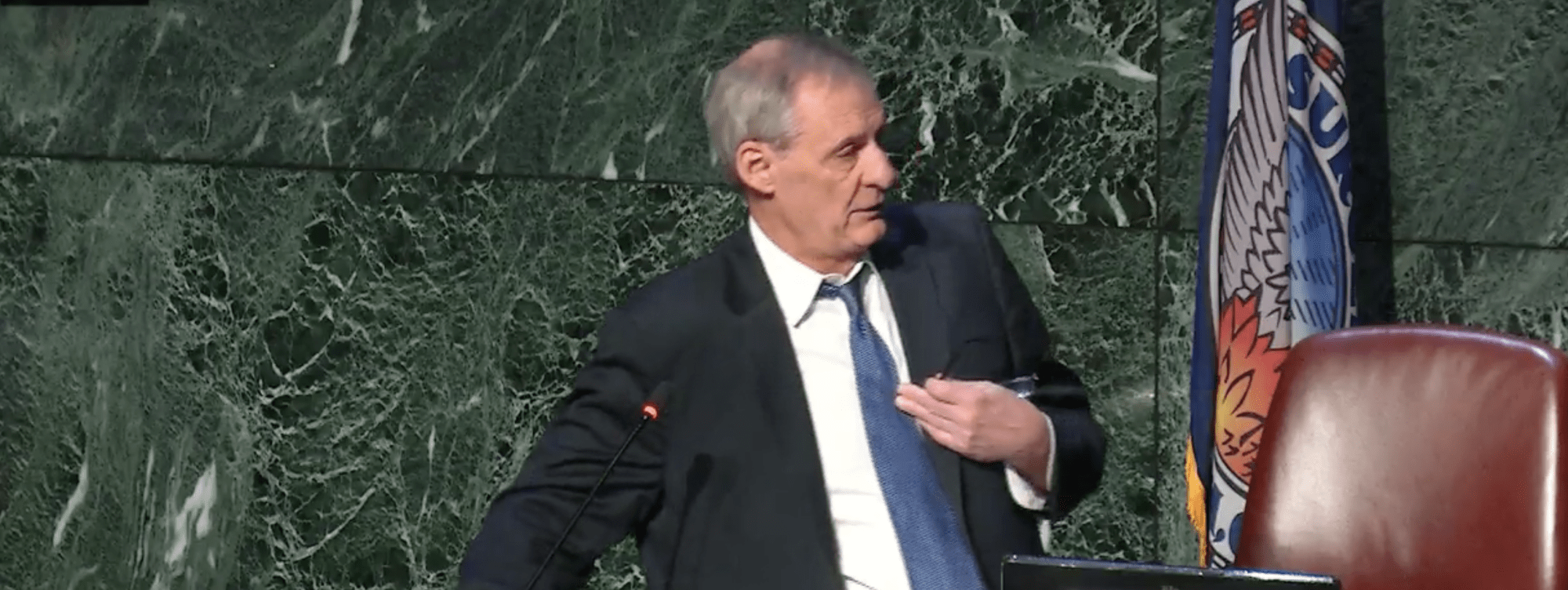


The Atlanta City Council’s Finance and Executive Committee slightly modified a controversial bill that would sharply restrict the powers and independence of the city’s top government watchdog before forwarding it to the Committee on Council on Wednesday afternoon.
Instead of discussing the Jan. 6 bill, council members and the city law department collaborated to craft a substitute bill, which was introduced at the Jan. 15 meeting.
All but two of the Finance and Executive Committee’s (FEC) seven voting members approved the move. Councilmember Liliana Bakhtiari, who co-signed the legislation, voted against it, while Councilmember Jason Winston abstained.
Representatives from several city employee unions spoke in favor of the proposal during public comment, echoing Mayor Andre Dickens ‘administration’s concerns over protecting employees’ rights during investigations by the Atlanta Office of Inspector General (OIG).
The majority of the public comment, however, opposed the bill. Among the opponents was former City Council President Felicia Moore. She proposed that the city council hold the bill in the FEC and schedule a joint work session (a type of hearing), with the Committee on Council, to facilitate a substantial debate over the bill with public input. Several council members on the FEC committee, including Bakhtiari, Winston, and Alex Wan expressed support for the idea.
The Committee on Council is scheduled to discuss the OIG reform bill on Jan. 21.

One last-minute modification that the Finance and Executive Committee made to the bill was to revert the power to appoint the OIG’s nine governing board members back to citizen groups. The initial bill filed Jan. 6 by Councilmember Howard Shook transferred the appointment power to the mayor. However, the modification would also allow the city council and the mayor to each pick an OIG board member.
The committee also walked back the removal of the word “corruption” from the Atlanta OIG’s investigative mandate — but added language to specifically forbid the OIG from conducting “criminal investigations.” While the OIG currently does not have the power to conduct a criminal investigation, it can refer potentially criminal findings of corruption, waste, abuse, and fraud to federal, state, or city prosecutors. The proposed bill would prohibit the OIG from independently referring its findings for criminal prosecution.
You can attend the Jan. 21 Committee on Council meeting, which will be held at 11 a.m. at the Larry M. Dingle Committee room in City Hall. The location may be subject to change. For more information and streaming links, check here.