
Atlanta’s Ethics Officer, Jabu Sengova, raised concerns for the first time last week about a proposed city council bill that could undermine the independence and investigative powers of both the city’s Ethics Office and its Office of the Inspector General (OIG).
Sengova said many of the changes proposed in the bill, filed Jan. 6 with the Atlanta City Council, would jeopardize her office’s autonomy, echoing issues raised by the OIG. “We’re just as concerned, and we want to make sure that there is a fair resolution,” Sengova said at the meeting.
Sengova was speaking at a Jan. 16 meeting of the joint governing board for the Ethics Office, which she leads, and the OIG, led by Inspector General Shannon Manigault. The bill, which is based on recommendations from a task force appointed by the city council, passed the Atlanta City Council’s Finance and Executive Committee by a 5-2 vote on Jan. 15. The Committee on Council will take it up on Jan. 21.
One of Sengova’s top concerns was the bill’s proposal to give both Atlanta Mayor Andre Dickens and the city council an appointment to the respective governing boards for the Ethics Office and the OIG. The bill proposes splitting the joint governing board into two separate boards, one for the Ethics Office and one for the OIG. Neither office opposes that.
But Sengova, like Manigault, opposed compromising her governing board’s independence from City Hall. Currently, it is citizen groups that appoint the nine members of the joint governing board. The legislation would reduce that to seven members for each board, including the appointments from the mayor and the city council.
“I’m not in support of a mayoral appointee or a council appointee to the governing board,” Sengova said, reiterating concerns voiced by Manigault and governing board members, who view the proposed changes as a direct threat to their independence. “We have been the gold standard,” she added, noting that the Ethics Office and OIG governing board’s independence from City Hall is considered a national model for government oversight.

Sengova called those, and other proposed changes in the bill “disappointing.”
She opposed a requirement for the Ethics Office to report on active investigations to her office’s governing board, saying it could compromise the investigations’ integrity — and another that would shift the discretion from the Ethics Office to its governing board to publicly release reports on investigation outcomes. The bill would make the same changes to the OIG, which also opposes them.
Unlike the OIG, the Ethics Office has enforcement power for its mandate to enforce the city’s ethics code. It can take administrative action, such as levying fines, against city employees that it determines have received improper gifts or incurred other conflicts of interest.
Since it is the Ethics Office’s board that hears any appeals from city employees over the office’s findings and sanctions, having the board oversee investigations would create a conflict of interest, said the Ethics Office’s deputy chief, Carlos Santiago. “The appellate body should not be read into an investigation,” he said.
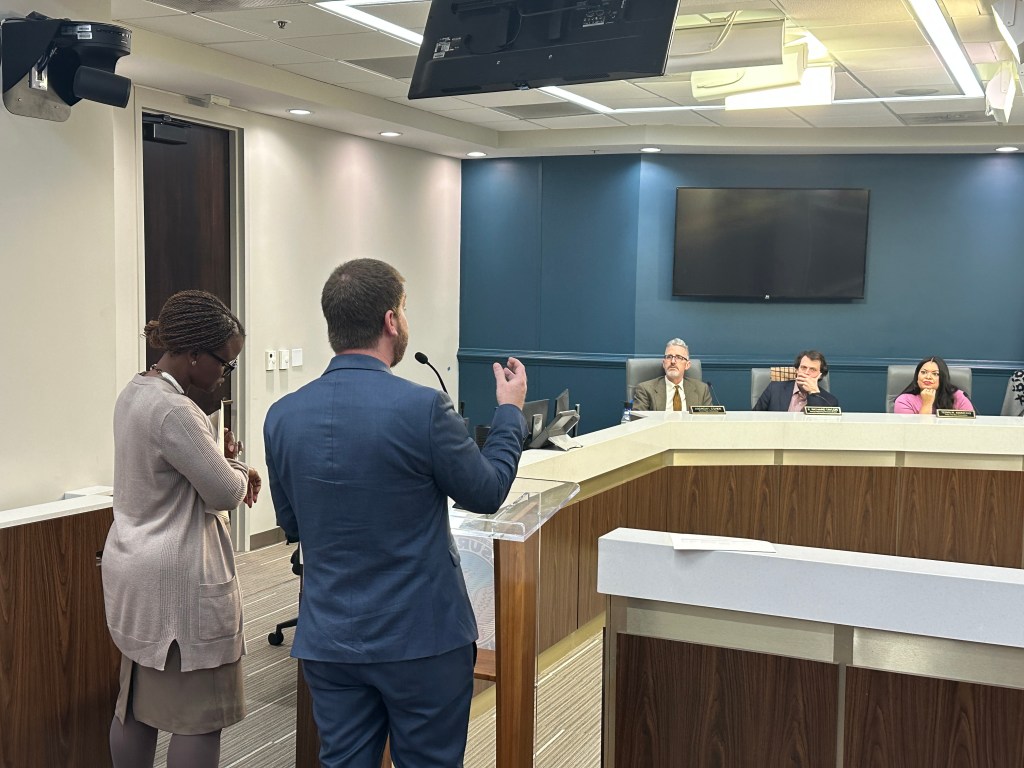
Like the inspector general, Sengova also objected to a change that would compel the Ethics Office, like the OIG, to set timelines for investigations, saying that would limit her office’s ability to conduct thorough inquiries.
The joint OIG and Ethics Office governing board voted Jan. 16 to issue formal statements to the mayor and city council raising concerns about the bill. They also issued a formal response letter to the task force’s Nov. 6 recommendations that outlined their agreement or disagreement, point by point, for 66 proposed changes.