

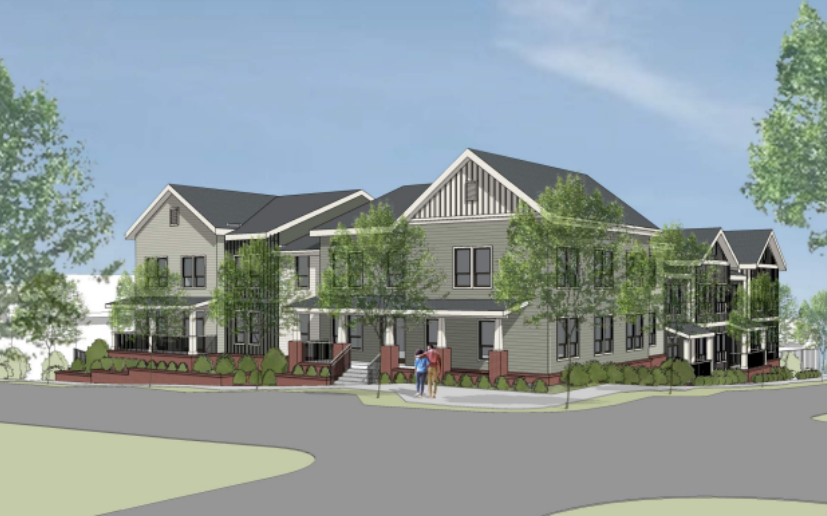

Eastside Atlanta residents on Tuesday night overwhelmingly rejected a rezoning proposal for a 47 micro-unit apartment complex to provide supportive housing to homeless people over age 62. Many said the proposal is too dense for a residential neighborhood and voiced concerns about traffic congestion and public safety.
The chorus of “no” votes doesn’t mean Stryant’s Investment’s plan to build long-term housing for unhoused people is finished. The Atlanta Zoning Review Board will vote on the rezoning next month, after considering the neighborhoods’ objections. From there, Atlanta City Council will ultimately decide the project’s fate.
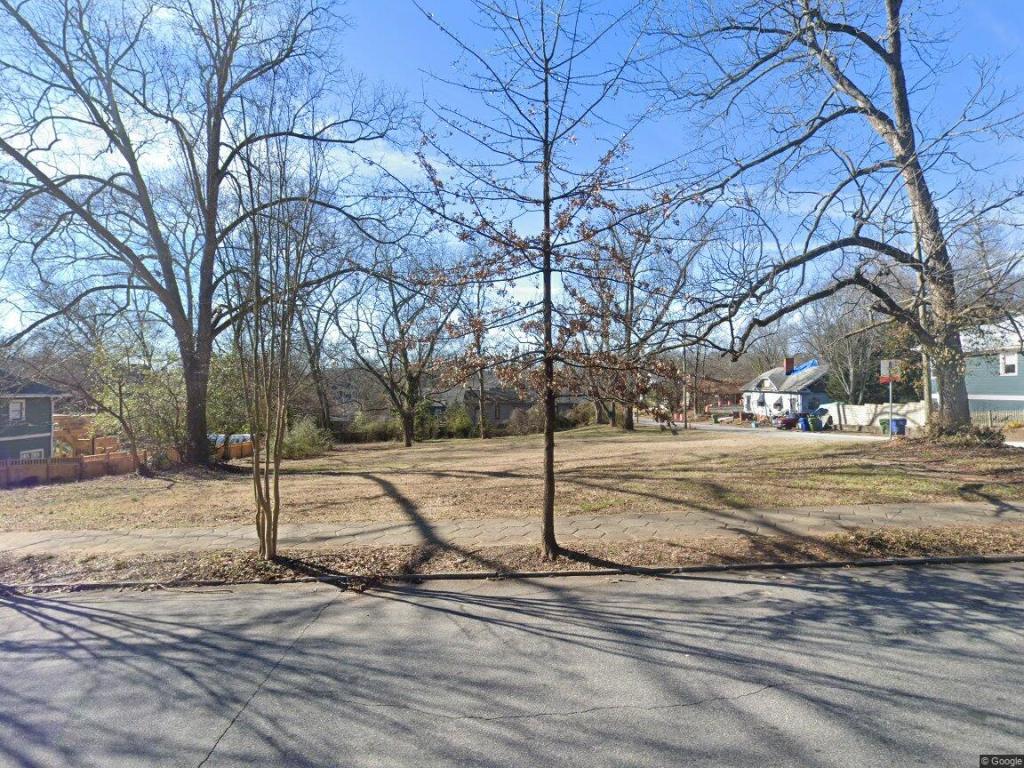
Stryant wants to build the affordable housing complex at 88 Howard St., a vacant lot next to Turner Monumental AME Church, which owns the land. Units would be earmarked for unhoused seniors who earn no more than $40,000, which is half the area median income. The complex will provide supportive services, including substance-use and mental health treatment.
But Neighborhood Planning Unit O, which represents Kirkwood, Edgewood, and East Lake, on Jan. 27 rejected the developer’s bid to rezone the 0.66 acre lot from single-family to planned development housing.
Over 200 residents joined the Zoom call to question Stryant co-founder Stan Sugarman and hash out what types of apartment complexes should be allowed in single-family communities. Many expressed concerns about adding 47 formerly unhoused people to a residential neighborhood, underscoring how potent the stigma of homelessness can be in urban planning disputes.
Many eastside residents on the 200-plus-person Zoom call expressed dismay at the size of the proposed complex. The two-story building would offer 47 microunits of about 250 to 275 square feet each, with shared common space.
Neighborhood opposition, said Ross Schneider, “has nothing to do with housing seniors. It has to do with packing 47 seniors in closets in the middle of a residential neighborhood — so this church can make money off a land lease.”
Others raised concerns about the project’s traffic impact, since the plan includes only two parking spaces. That will cause more street parking and congestion, they said. The church’s lawyer, Steve Rothman, dismissed that issue, saying there were only two spaces because most residents won’t have cars. Staff providing supportive services can use the church parking lot, he added.
But other neighbors strongly supported the proposal. “I’m less worried about homes for cars than I am about homes for people. Thank you for this project, Turner AME,” said Evan Matthews.
“I understand concerns about density and feeling like this is not a good enough project, but this is the project that is in front of us. The reason we have the homeless problems that we have now is because we closed off opportunities because they weren’t good enough – without replacing them with anything,” said East Lake resident Sara Patenaude, the policy director for affordable housing lender, Reinvestment Fund.
“This is something that communities across the country are trying to do right now,” added Patenaude, a longtime affordable housing advocate.
Some neighbors doubted Stryant’s commitment to making the project permanent supportive housing. They grilled co-founder Stan Sugarman on why the company hadn’t signed a community benefits agreement to ensure the project doesn’t house dangerous criminals, or get sold or transformed into something besides affordable housing once rezoned for denser development.
“You’ve now said this project is intended for people who are homeless,” said Ben Kaplan. “If that’s the case, why are you unwilling to commit to HUD-recognized [permanent supportive housing] best practices that exist to protect residents and the surrounding community?”
“The vast majority of the neighbors living close to the property are against this,” added one nearby neighbor, Steven Suna.
Sugarman said in an interview that a community benefits agreement — which could guarantee the housing will remain affordably priced — is on the table, but will only be inked if the development moves forward.
The objections are darn near heartless! The population that would be served are 62yrs and older – a newer face of homelessness, if you will. People worried about stigma in urban planning can help eliminate the stigma they’re projecting. It seems the opposition is looking to discriminate without calling it discrimination.
Shame on the sociopaths that voted against this.
This story is an example of rotten biased journalism. It reeks of white privilege focusing primarily on the voices of white people. Why wasn’t the pastor of Turner Monumental interviewed and given space to speak for the church? He would have told you that we bought and consecrated that piece of land many years ago for the express purpose of outreach ministry. Ross Schneider claims to know more about our church than we do. He belittled Turner Monumental as only in this project for the money. This same ugly baseless slander was spoken in a community meeting called by our church. What facts does Ross Schneider have to make such a racist claim? What does he know about our church that disproves our commitment to helping the least of these? I’ve never seen him in a worship service with us. In the 1960s, the segregated all-white Kirkwood Methodist Church fled 66 Howard Street as new Black residents moved in. We bought their facility, but unlike them, we are not fleeing the arrival of a new racial/economic group into our community of 60 years. As people of God, we seek to build a broader beloved community that no one will have to flee. We want a community that provides for and welcomes ALL of God’s children. Sean Keenan failed in his journalism in this article and did a great disservice to a 126-year old church founded by freed men and women. And unless he can come up with some facts and figures, Ross Schneider owes our church a written apology.
Great comment
If we want to support housing for seniors, how will rezoning the land ensure that’s how the buildings are used? How does rezoning the land ensure the rent will be affordable and remain affordable?