

Much to the relief of Atlanta’s top homeless services provider, a federal judge ruled this week that the Trump administration’s bid to dramatically rewrite the rules governing nearly $3.9 billion in Continuum of Care grants for permanent supportive housing was unlawful.
At stake for Atlanta was $14.5 million in federal funding that keeps 844 formerly homeless households housed. The city of Atlanta’s homeless services liaison, Partner for Home, uses the Continuum of Care grants from the US Department of Housing and Urban Development (HUD) to fund permanent housing and supportive services citywide.
But HUD issued an edict last September that it would not renew Continuum of Care grant funding for re-housing programs following its long-accepted Housing First approach, which initially provides unhoused people with stable housing, so they can become sober, mentally healthy, and self-sufficient. Instead, HUD would redirect the funds to programs taking a more punitive approach, by requiring unhoused people to get addiction or mental health treatment before receiving housing.
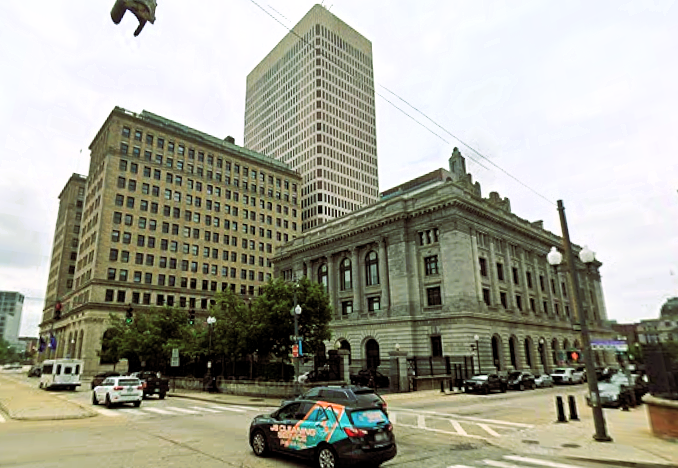
US District Judge Mary McElroy of Rhode Island ruled March 31 that HUD violated the federal Administrative Procedure Act by failing to provide a reasoned basis for its last-minute overhaul of Continuum of Care funding criteria set by Congress. The grant program is the primary federal funding stream for permanent supportive housing to unhoused people.
McElroy called the sudden policy shift a “slapdash imposition of political whims” and concluded that HUD had failed to adequately explain its “last-minute decision to make major, disruptive changes.”
The federal district court ruling resolves a months-long legal battle over federal grant funding to house homeless people. A coalition of 22 states, plus local governments and housing groups sued HUD last fall, after the agency in September revised the 2026 Continuum of Care grant criteria — and gave applicants a week to comply.
McElroy temporarily blocked the changes in December, ordering HUD to process pending Continuum of Care grant renewals under the prior rules, while the case moved forward.
HUD has appealed McElroy’s March 31 decision and asked the US Court of Appeals for the First Circuit to pause it during the appeals process. But the First Circuit on April 2 denied HUD’s request, leaving the prior grant criteria intact.
A HUD spokesperson said in a statement that the agency “remains committed to reforming the misguided ‘Housing First’ approach that for years funded the self-serving homeless industrial complex, rewarded activists, and ignored solutions.”
For Partners for Home, Atlanta’s main homeless services nonprofit, McElroy’s ruling offers an apparent return to normalcy after months of upheaval.
“This decision allows us to continue focusing our resources on what matters most: working collaboratively with local, state, and federal partners toward our shared goal of ending unsheltered homelessness for Atlantans,” Partners for Home’s executive director, Cathryn Vassell, said in an email.
But Vassell acknowledged that the legal fight is not over, due to HUD’s appeal.
“We will maintain tempered expectations, given the pathways available through the legal process,” she said.
