


Amid government shutdown, Atlanta Housing continues Section 8 payments
Atlanta Housing (AH) said it is continuing to operate and make Section 8 rent payments for thousands of low-income families despite the federal shutdown, which affects its funding source, the Department of Housing and Urban Development (HUD).
“Based on current information and careful planning, AH expects to sustain near-term operations, including maintaining housing assistance for AH families and internal operations to continue our work,” Atlanta’s public housing authority said in an Oct. 1 statement.
“We urge policymakers to act swiftly to avoid disruptions that will harm Atlanta’s most vulnerable families working toward self-sufficiency and economic mobility,” the statement added.
$1.3B for housing? Only with TAD extensions.
Atlanta Mayor Andre Dickens last week unveiled a $5 billion plan to revitalize some of the city’s most underinvested neighborhoods. The mayor’s new Neighborhood Reinvestment Initiative calls for $1.3 billion to subsidize affordable housing projects, along with funding transit expansion, trails and greenspace, healthcare facilities and grocery stores
The catch is that the $5 billion would come from extending the lifespan of Atlanta’s six tax allocation districts (TADs) until 2050, and using the diverted property tax revenue to pay off new bonds. Right now, all of them are set to expire within the next five to 13 years.
Extending the TADs’ lifetime would require buy-in from the city of Atlanta, Fulton County, and Atlanta Public Schools (APS), which are the three recipients of Atlanta property tax revenue.
“What Atlanta has had is tremendous growth. But what we have lacked is balanced growth,” Dickens said at a Sept. 30 press conference. The mayor and other city officials haven’t shared specifics on how the projected $5 billion in new public investment would manifest in areas covered by Atlanta’s six tax allocation districts (TADs).
Dickens said the new funding would “jumpstart development” for neighborhoods around the Beltline and Mercedes-Benz Stadium, and in underserved parts of the southside and Westside — including the Perry-Bolton corridor, Campbelltown Road, Donald Lee Hollowell Parkway and Martin Luther King Jr. Drive.
Chosewood Park housing development breaks ground, promising 102 affordable apartments
On the same day Dickens pitched the new neighborhood revitalization plan, a consortium led by the city, Atlanta Housing, Invest Atlanta, and The Benoit Group broke ground on the second phase of a mixed-income housing development, Englewood Multifamily, on the site of former public housing project Englewood Manor.
Just over half, or 102, of the 200 rental units will be priced as affordable for families making under 60% of the area median income (AMI). The development includes retail and 81 homes for purchase, including 16 priced below market, The Atlanta Journal-Constitution reported.
The Englewood project is located a block from the Atlanta Beltline’s Southside Trail at 401 Englewood Ave. It is rising next door to Englewood’s first phase, an 160-unit apartment building for seniors that is under construction.
Cobb city Mableton aims to fill gaps in Georgia’s new renter protection law
When Georgia adopted the Safe at Home Act in 2024, it required landlords for the first time ever to provide rental housing that is “fit for human habitation.” But critics warned the new law would be hard to enforce, since it doesn’t actually define habitability.
Mableton Mayor Michael Owens wants to fill the gaps left by the state law. Cobb County’s largest city, newly incorporated in 2022, just became the first in Georgia to define “habitable” and write specific livability standards into the city code, according to Atlanta News First.
When the Mableton City Council passed the Safe and Healthy Housing Act in September, it prohibited the following in rental housing:
- Inadequate or nonfunctioning heating, electrical, or water systems
- Severe structural damage or roof leaks
- Rodent and pest infestations
- Unremediated mold or mildew, per US Environmental Protection Agency standards
Urbanist group Abundant Housing Atlanta endorses city council candidates
Urbanist nonprofit Abundant Housing Atlanta has announced endorsements in 10 Atlanta City Council races. The local arm of the national YIMBY Action network is hosting a meet-and-greet with the candidates it’s backing on Oct. 14 at 667 Auburn Ave. RSVP here.
“These candidates have demonstrated their willingness to sweat the details and work hard to address our housing shortage,” the group said in a statement last week.
Abundant Housing endorsements for Atlanta City Council:
- District 2: Kelsea Bond
- District 3: Perrin Bostic
- District 4: Jason Dozier (incumbent)
- District 7: William Thomas Worthy
- District 9: Dustin Hillis (incumbent)
- District 11: Nathan Jester
- District 12: Stephanie Flowers
- City Council President: Rohit Malhotra
- Post 1 At-Large: Juan Mendoza
- Post 3 At-Large: Eshé Collins (incumbent)
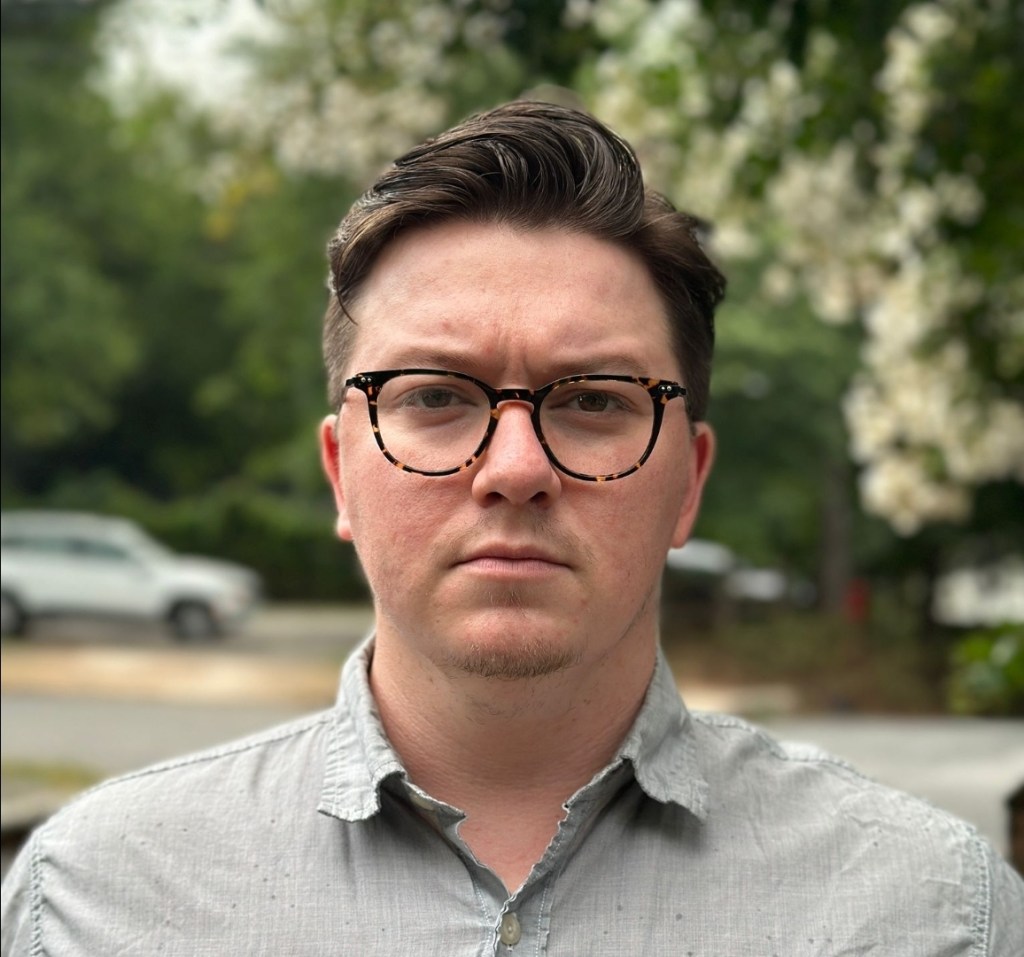
See you soon!
Thanks for reading Housing Happenings! I’m headed to Washington, D.C., this week for a National Press Foundation fellowship on covering the impact of federal actions on local communities.
Our housing desk will be a little quiet until next week — but I look forward to returning better equipped than ever to report on how federal upheaval affects housing affordability in Atlanta and beyond.
Today’s newsletter was written by Sean Keenan and edited by Meredith Hobbs. Your donation makes Housing Happenings and ACC’s housing reporting possible. Support local, nonprofit journalism that empowers Atlantans to improve their communities.