


Housing experts and advocates have long said that homes and apartments are not truly “affordable” if they don’t afford residents easy access to jobs, schools, grocery stores, healthcare, and other necessities. After all, what good is low-cost living if you have to spend big just to get where you need to go?
In Cobb and Gwinnett counties, the vast majority of residents rely on cars to get just about everywhere, and they usually drive alone. But the pressures of rapid population growth have put into sharp focus the challenges posed by the counties’ dearth of mass transit.
As those northern metro Atlanta communities become increasingly expensive to live in, public officials are struggling to guide development to accommodate the influx of people — and they’re up against a vocal contingent of longtime homeowners who say their more suburban, automobile-reliant lifestyle must be protected.
Many Cobb homeowners, for instance, have demonized recent mass transit proposals, insisting that options like heavy rail would misuse public dollars, bring unwelcome noise, and spur crime. There is also a common concern that more buses and trains would inundate communities with undesirable others, said Lisa Cupid, the county commission chair. (More pointedly, racism is playing a role in resistance efforts.)
“There are persons who perceive that mass transit should not be in their community at all,” she said in an interview. “There are all kinds of ways to make certain types of development or certain types of people seem ‘other’ — that they may not be meant for this area here.”
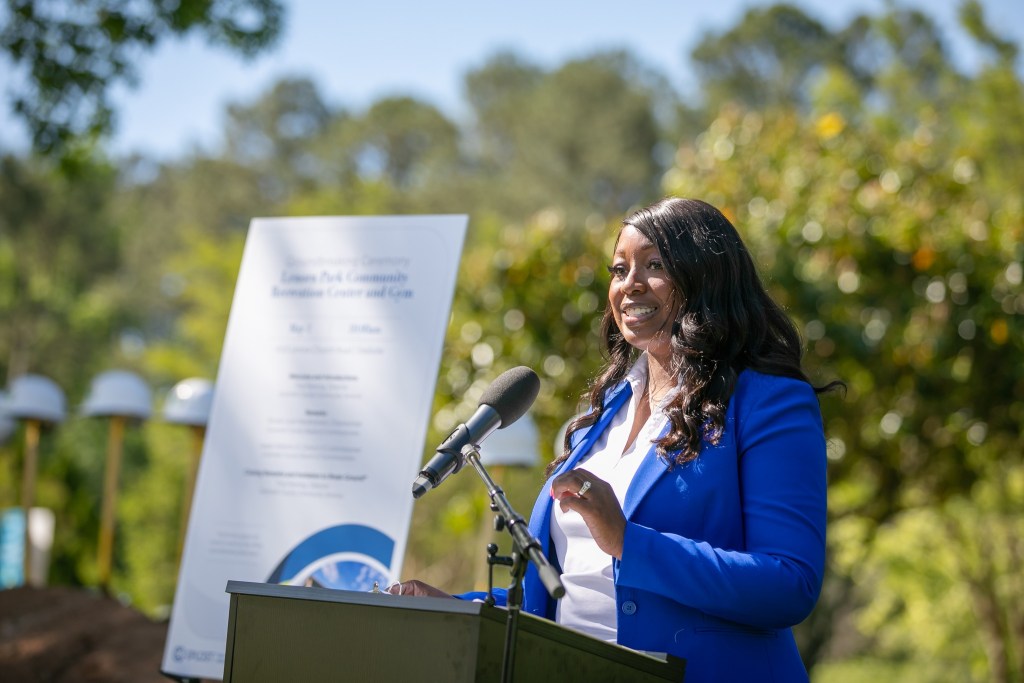
In Gwinnett, County Commission Chair Nicole Hendrickson faces the same kind of resistance, she told Atlanta Civic Circle. But as she and fellow leaders try to build out their communities to suit a booming population, they’re facing decisions about land use and transit expansion that are sure to ruffle some feathers.
“In order to support population growth and density, you need a robust transit system and mobility network to get people through the county, get them connected to jobs, and get them connected to the region,” Hendrickson said. “It’s also a way for us to attract businesses who want to make sure that there’s a stable transit infrastructure in place. Having the density in certain nodes means that we can build transit around those areas, and vice versa.”
Both counties have crafted what they call “comprehensive transportation plans,” but neither plan calls for heavy or light rail. Instead, they prioritize expanding existing bus services and building out multi-use trail networks akin to the Atlanta Beltline.
Gwinnett and Cobb residents can use bus and shuttle systems to access MARTA rail, but a majority of both counties’ residents have repeatedly voted “No” in referendums to fund commuter rail connecting them to the region’s urban core.
In November, residents in each county will vote on a referendum for a 1% sales tax over 30 years to fund transit expansion by adding bus and shuttle routes — but not rail.
Gwinnett’s Transit Special Purpose Local Option Sales Tax (TSPLOST) would allocate $12.4 billion over 30 years to fund bus-rapid transit and microtransit shuttle routes to jobs, schools, and the airport. This will be the fifth time Gwinnett residents vote on a transit sales tax, after rejecting previous proposals.
Cobb’s Mobility SPLOST would allocate $10.3 billion over 30 years, also to fund bus-centric transit. (A February poll of 1,320 Cobb residents found that 63% support the bus plan, although most would not commit to voting for it, according to the Georgia Public Policy Foundation.)
The intersection of housing and transit
To foster true housing affordability, “the general rule of thumb is that your housing should cost no more than 30% of your income, and your transportation should cost no more than 15% of your income,” said Amanda Rhein, the executive director of the affordable housing provider Atlanta Land Trust and MARTA’s former head of transit-oriented development.
But if transportation means a car, that 15% budget target can quickly jump higher with car payments, gas, insurance, and repairs, Rhein said. “If you go out to the suburbs, you may be able to find housing that costs less than 30% of your income,” she said. “But without a good public transportation system, it’s difficult to be in a situation where your transportation costs are less than 15% of your income.”
GO DEEPER ON COBB AND GWINNETT’S HOUSING CHALLENGES
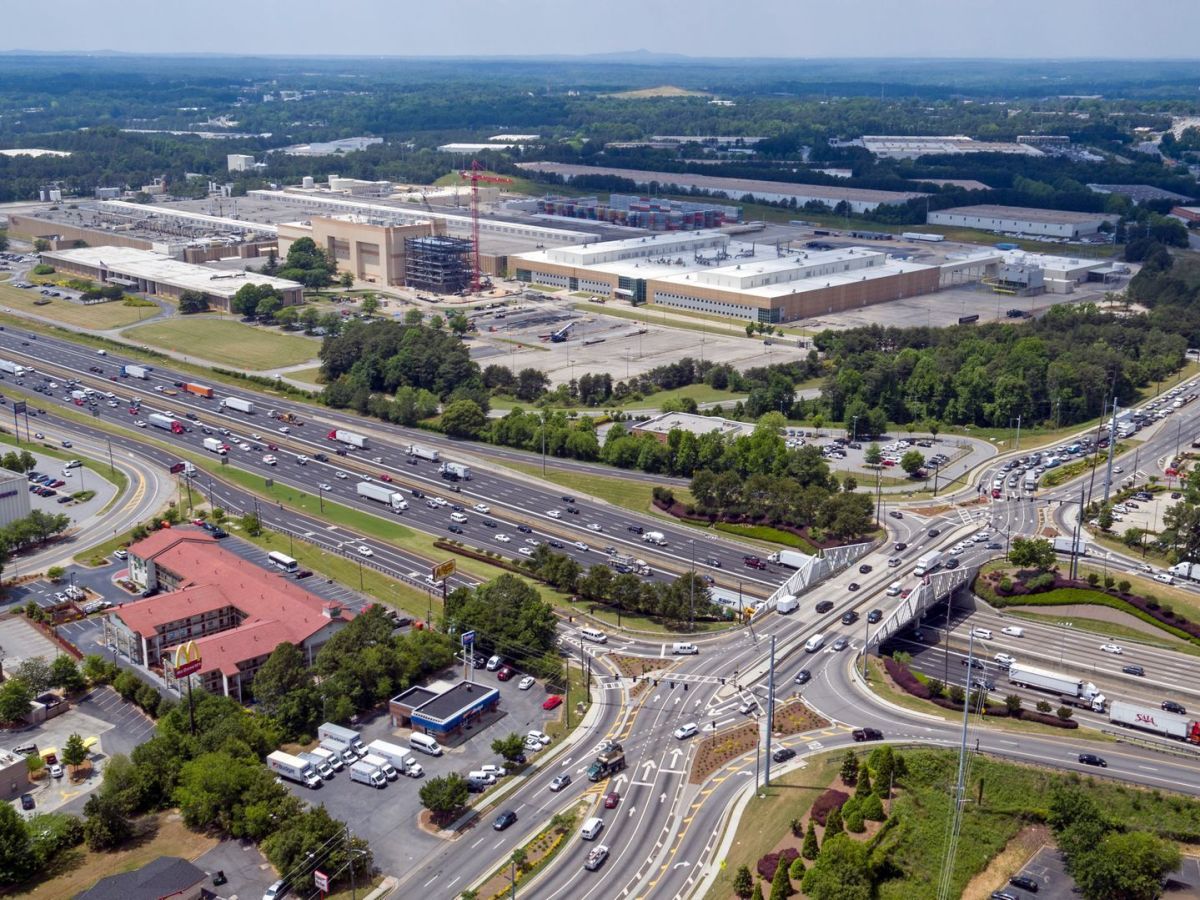

There are also quality of life considerations, Rhein said: “If you’re spending your life in your car, that’s not good for you or your family. It’s really bad for our air quality, too, and it creates a lot of other challenges for us as a region.”
And communities should want their first responders, teachers, fast-food employees, and grocers to be able to live in the communities they serve, she added. “If a teacher has to commute an hour and a half before they get to school at 7:30 in the morning, they are not going to perform their best.”
As metro Atlanta’s population booms — expected to reach nearly 8 million people by 2050, according to the Atlanta Regional Commission — urban sprawl is practically inevitable. “This is all driven by the fact that Atlanta has no natural barriers to growth,” Rhein said.
As the urbanist adage goes, You’re not stuck in traffic; you are traffic.
One local urbanist, ThreadATL founder Darin Givens, expressed cautious optimism about how Atlanta’s northern suburbs will adapt to the increasing headcount.
There’s promising potential for Gwinnett to coordinate new funding for affordable housing and transit projects, he said, referring to the county’s recent $18 million federal grant for housing projects and the possibility of voters passing the TSPLOST.
“If they can pair those [housing] funds with the products of a successful transit referendum, there’s a chance for giving lower-income residents access to mobility options for getting to groceries, doctors, jobs, and more,” Givens said.
But local governments need to act fast, Givens said. “These transit projects from the referendums are a long-term investment, both for Gwinnett and Cobb — and there’s no guarantee that the [housing] affordability that exists in those communities will stay in place by the time the transit lines are built out and operating.”
Stay tuned for more ACC coverage of the Cobb and Gwinnett transit referendums that are on the Nov. 5 ballot.