


An Atlanta Civic Circle investigation has revealed a controversial new use for the city’s Affordable Housing Trust Fund: covering bond debts and employee salaries.
The Atlanta City Council created the trust fund in late 2021 to bankroll affordable housing initiatives.
But for the 2025 fiscal year, Mayor Andre Dickens’ administration has pulled about $4 million from the dedicated purse to pay city staff who work on housing-related projects and another $8.8 million to service debt for city-issued housing bonds.
While not a blatant violation of the ordinance that launched the trust, the pivot to funding staff salaries and housing bonds has raised red flags for housing advocates, who say it undermines the original purpose.
I’ll join WABE’s Rose Scott on her show “Closer Look” Wednesday at noon to discuss how we discovered the trust fund’s new uses and how city officials are addressing concerns about its alleged misuse.
Three ways Atlanta’s housing crisis is hitting the suburbs
Over the last month, three distinct stories about low-income suburban renters have unfolded to reflect a broader reality: Atlanta’s housing crisis isn’t confined to its urban core.
The city of Roswell in May relocated dozens of extended-stay motel residents after deeming the Economy Hotel on Old Dogwood Road a crime haven and public health hazard.
College Park officials condemned the dilapidated Chelsea Gardens apartment complex in late April and announced that it will evict the remaining residents, stoking fears among renters of where to go.
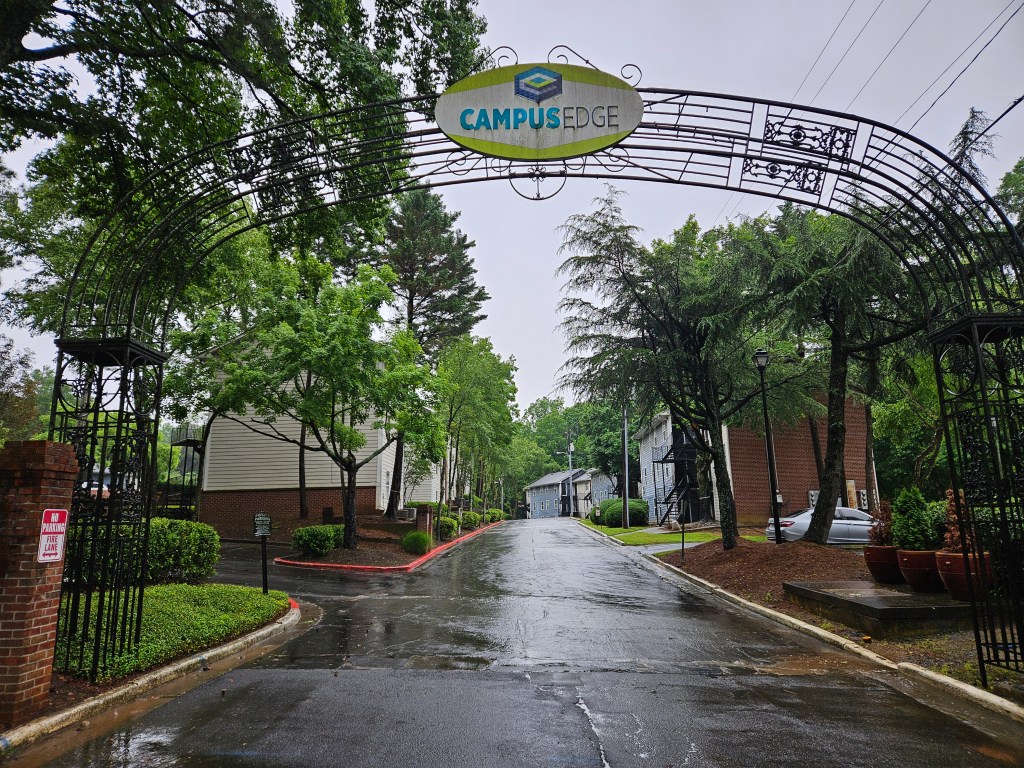
And a developer in Marietta wants to replace Campus Edge, a low-income apartment complex by Kennesaw State University’s satellite campus, with flashy new residences at substantially higher rents.
Atlanta Civic Circle talked to the residents at these complexes to find out how they are navigating these threats to their housing stability.
Tenants decry dangerous living conditions at mega-landlord Invitation Homes’ properties
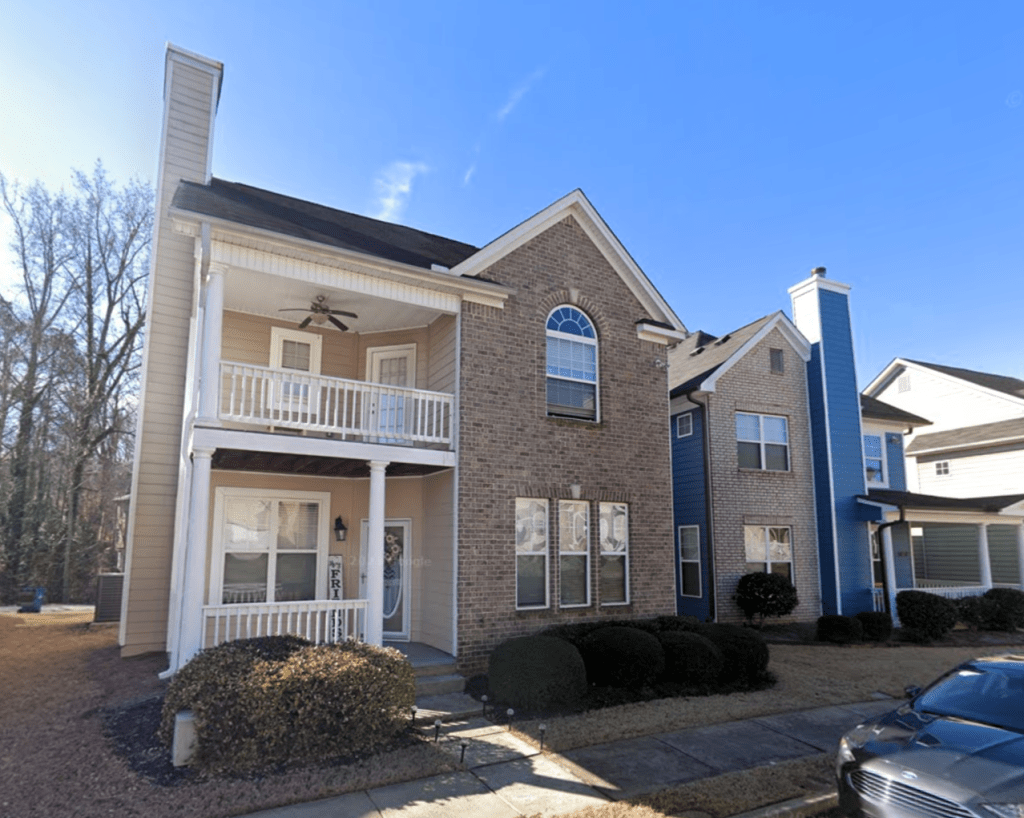
Invitation Homes, America’s largest single-family landlord, has allowed some of its metro Atlanta rental properties to fall into dangerous disrepair, tenants told The Atlanta Journal-Constitution last month.
The Texas-based corporation owns 80,000 houses nationwide — including nearly 8,000 across metro Atlanta. Its dominance of local rental markets like Atlanta’s allows it to drive housing prices out of reach for many lower-income renters.
The Federal Trade Commission (FTC) sued Invitation Homes in August, accusing the mega-landlord of defrauding home-renters “by charging mandatory undisclosed junk fees, misrepresenting when it withholds security deposits and unfairly withholding security deposit refunds owed to former renters, misrepresenting its home inspection and maintenance practices, and steering residents away from eviction protections during the COVID-19 pandemic.”
To settle the FTC case, Invitation Homes agreed in September to pay $48 million to reimburse tenants for the unlawful charges, but its maintenance practices now have come under local scrutiny.
The AJC’s reporting details gas leaks, unannounced utility shutoffs, broken glass, and refuse littering Invitation Homes’ properties — safety issues its renters say often went long unaddressed.
U.S. Sen. Jon Ossoff (D-Georgia) last month launched an investigation into corporate mega-landlords and out-of-state companies buying up scores of single-family homes across Georgia. The probe targets Invitation Homes, as well as Main Street Renewal, Tricon Residential, and Progress Residential.
HEARD ON HOUSING
Last chance to weigh in on Atlanta’s urban planning roadmap
Wednesday is the last day to submit suggestions for Plan A, the city of Atlanta’s Comprehensive Development Plan (CDP). The new CDP will inform the city’s urban planning policies for years to come; Georgia requires the state’s largest cities to develop one every five years.
→ Click here to review the latest draft of Plan A and submit your comments.
Missouri tenants organize against Forest Cove owner Millennia
Elderly and disabled tenants at one of Millennia Housing Management’s Springfield, Missouri, properties say the national mega-landlord has ignored their pleas for elevator repairs, leaving some residents stuck inside their apartments.
Millennia also owns Atlanta’s infamous Forest Cove Apartments property, a Section 8 complex which the city of Atlanta condemned and then demolished in 2024.
The mobility issues posed by the broken elevators at the Jenny Lind Hall apartments in Springfield add to a litany of safety concerns that its low-income tenants have raised. They’ve also requested mold remediation, pest control, and structural repairs — but to no avail, according to Shelterforce.
The Jenny Lind tenants have unionized through the Springfield Tenants’ Union to pressure the city of Springfield to replace the elevators and place the Section 8 complex in receivership.
The new Missouri tenant campaign adds to a years-long drumbeat of activism from the Millennia Resistance Campaign against Ohio-based Millennia’s widespread mismanagement of its Section 8 properties. The company owns about 280 other low-income apartment complexes across 26 states.
Last year, the US Department of Housing and Urban Development (HUD) barred Millennia from any further Section 8 contracts. HUD said Millennia had “exercised financial mismanagement of tenant security deposit accounts and taxpayer funds providing housing assistance.” Federal agents from HUD and the US Department of Agriculture subsequently raided Millennia CEO Frank Sinito’s mansion in October, indicating a broader investigation could be underway.
Today’s newsletter was written by Sean Keenan and edited by Meredith Hobbs. As always, thank you for reading. Have tips, corrections, or questions? Just reply to this email.
Your donation fuels local journalism.
Together, we can continue delivering accurate news and insightful, solutions-oriented stories that matter to you.