

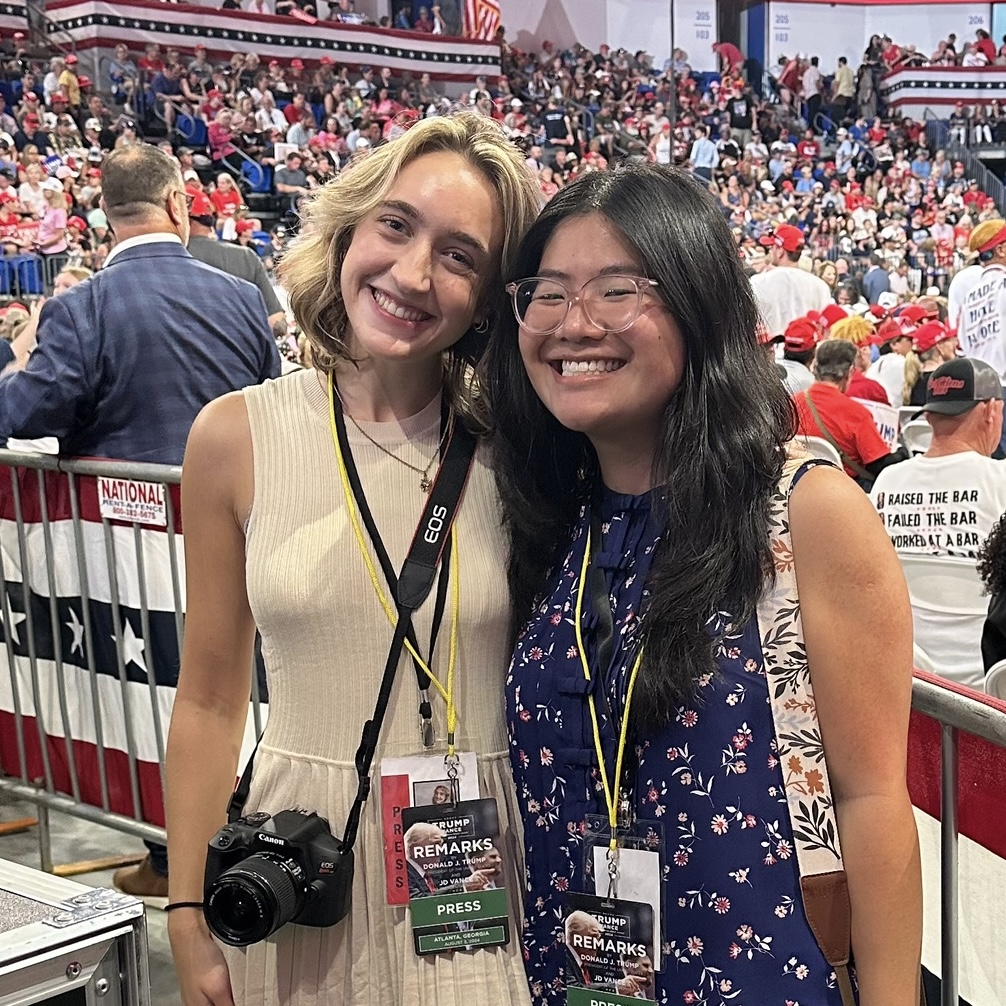
I have spent the past year navigating the complexities of local democracy for Atlanta Civic Circle, first as a college intern and then as a reporter.
It’s undeniable that 2024 was a tumultuous year for democracy in Atlanta. The relentless electoral cycle of party primaries, a contentious General Election, and high-stakes runoffs meant that voters – and journalists – barely had time to catch their breath. Yet, amid the headlines and heated political debates, I discovered that local democracy isn’t defined by the busy drumbeat of elections but by the smaller, determined actions of individuals — voters, advocates, and ordinary people fighting to be heard.
On the first week of early voting for the Nov. 5 General Election, I stood outside a polling location in Cobb County at lunchtime, as the line of early voters snaked around the building. I spent hours talking to those voters and others at several early voting locations, asking why casting a ballot mattered to them.
Their answers were as varied as their lives: a desire to protect abortion rights, LGBTQ rights, and to ensure their voices counted in a political system that can often feel unresponsive.
These voter profiles reveal the motivations that drive civic engagement for regular Atlantans, even in a time when many feel disillusioned. It was a gratifying reminder that beneath the noise of partisanship, people still believe in the power of showing up.
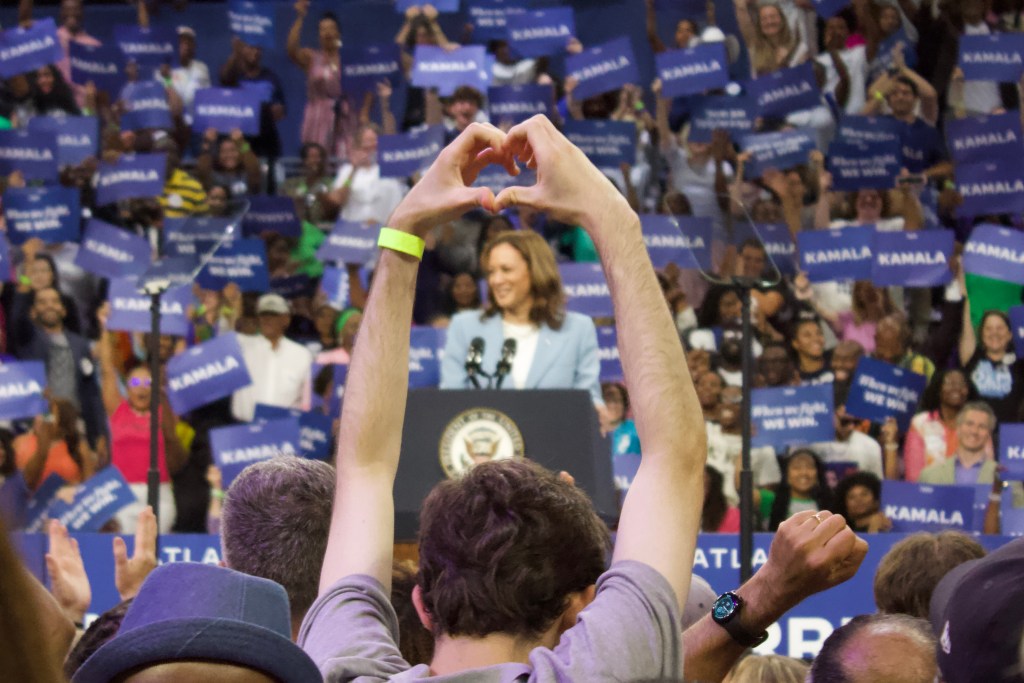
When I checked in with young voters, their energy often carried a mix of hope and skepticism — as I first discovered while reporting on Vice President Kamala Harris’s promise to restore abortion rights nationally. One summer afternoon on Kennesaw State University’s campus, a student wondered whether the federal government could deliver on such a sweeping promise, noting that Congress hadn’t codified abortion rights in the over 50 years since the U.S. Supreme Court’s 1973 Roe v. Wade decision.
I explained the constitutional and legislative obstacles blocking federal abortion protections in my subsequent story, after follow-up interviews with political experts. This story was more than an analysis of another political promise from a presidential candidate — it provided a window into the disconnect between campaign rhetoric and the reality of governance.
For young voters, this gap can deepen their mistrust in our existing political systems, making them question whether their votes can actually lead to meaningful change.
Reporting with my colleague Alessandro Sassoon on Georgia’s heated legal battles over ballot access for third-party and independent presidential candidates revealed how stringent qualification requirements – like collecting thousands of signatures and navigating obscure procedural rules for submitting them – keep these voices off the ballot.
This fight highlighted a larger issue: the rigidity of a political system that feels increasingly out of touch to voters seeking alternatives. Younger voters repeatedly expressed their disillusionment with having to pick what they continually see as the “lesser of two evils.” My reporting connected that sentiment to the broader crisis of faith in democracy, as Atlantans, like their fellow Americans, increasingly question whether our political system is built to serve the people or to perpetuate itself.
Of all the stories I covered in 2024, the one that most stuck with me was about young voters’ thoughts on democracy in the aftermath of the Nov. 5 election. Through conversations with young voters at the polls and afterwards prompted me to write a story reporting Gen Z voters’ frustrations with a system that many said no longer serves the people. They care deeply about issues like climate justice, women’s rights and voting rights, but partisan gridlock and the slow pace of change has left many feeling powerless.
One such Gen Z progressive, Gabriel Sanchez, was just elected as a Democrat to represent Smyrna’s House District 42 on the message that “the status quo isn’t working for working families.”. The longtime community organizer put it simply: “If people are struggling from lack of opportunity, low wages, and way too high cost of living – and the institutions show no sign of genuinely addressing these issues – why would they have faith in the institutions that are supposed to manage the economy and our society?”
Democracy showed its many faces this year — frustrating, inspiring, messy, and, above all, resilient. I witnessed countless moments of civic engagement that reminded me why this work matters. As I reflect on my reporting, I continue to be inspired by the people who refuse to give up on the promise of democracy — even when the political system itself feels imperfect.
