It’s a wrap on 2024, but not on the uncertainty that came with it.
The next federal and state election cycles aren’t until 2026, but in the new year municipal elections in Atlanta loom large. Meanwhile, newly elected officials, from the president down to the city and county level, will be sworn into office this month, and only time will tell how they govern.
For people in metro Atlanta, many concerns persist — whether it’s the high cost of living, workers’ rights to organize, or how accountable those in power are to the people they govern.
Our reporting this year covered all of these, and more.
Campus free speech rights put to the test
The ongoing Israel-Hamas war in Gaza has sparked fierce debates nationwide, especially on college campuses, where pro-Palestine activism proved a litmus test on free speech for university administrators and local law enforcement.
In Atlanta, Emory University became one of several flashpoints nationwide last spring, when a short-lived attempt by demonstrators to erect an encampment on the school’s main quad was violently disbanded by state troopers and local police. They arrested 28 people, including 17 students and three faculty members, and many still face charges, while Emory president Gregory Fenves weathered a no-confidence vote from the Emory College faculty and undergraduate student body.
Over the summer break, Emory was among several universities to tighten its freedom of expression rules, sparking outcry from students and faculty alike.
Whether it’s foreign wars, or domestic issues, it’s unlikely that student activism will cease in 2025 — but the right to protest appears to have become as contentious as what is being protested. Atlanta Civic Circle will be keeping watch.

Elections — what are they good for?
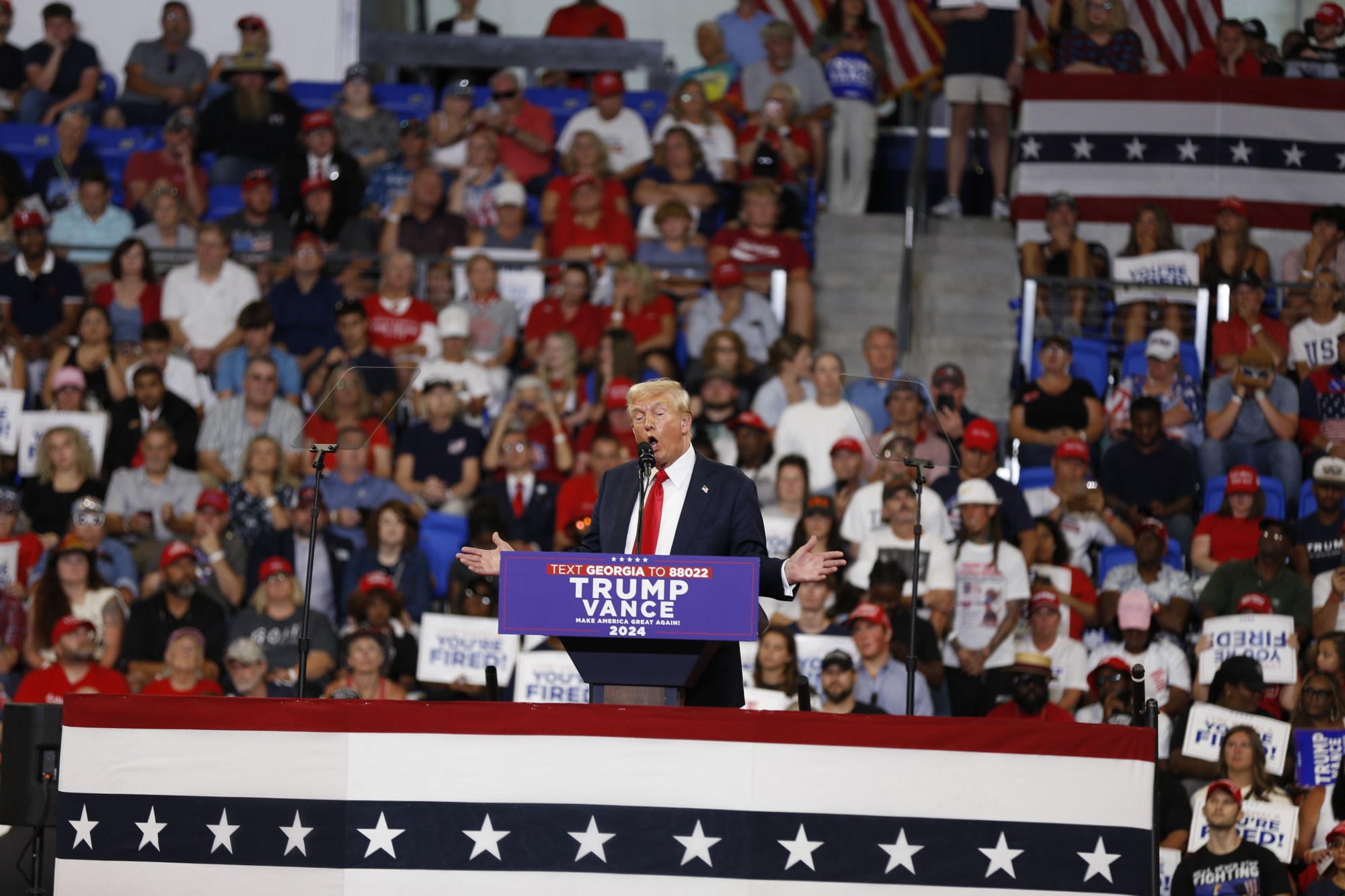
Voters’ faith in electoral politics and democracy is at an all time low — and Atlanta is not immune from that trend. With Georgia as a battleground state for the presidential election, we again found ourselves in the middle of the maelstrom of a historically contentious election season — one marked by an assassination attempt on President-elect Donald Trump, along with l threats of political violence.
In the lead-up to the General Election, contentious last-minute voting rule changes from the State Election Board drew frantic pushback from local election officials and lawsuits from Republicans and Democrats alike. The changes served as a flashpoint for fears that some Georgia counties might refuse to certify the vote in the presidential election. However, Trump’s vote margin in Georgia was wide enough to forestall the post-election drama that marked the 2020 presidential election in the closely watched swing state
For both Democratic and Republican voters whom Atlanta Civic Circle talked to, the cost of living was the top issue this election season. Many of them, as well as uncommitted and third-party voters expressed a sense of dissatisfaction and disenfranchisement. We looked at how gerrymandering and other structural issues contributed to low voter turnout in lower income metro-Atlanta precincts.
We also reported on the obstacles third-party presidential candidates faced in getting on the ballot in Georgia, including lawsuits from the Democratic Party – and we found out what impelled some independent candidates to run. One quixotic presidential candidate whom we ran across outside CNN’s Biden-Trump debate in June actually changed his name to Literally Anybody Else to embody the ‘ick’ many Americans felt at the Democratic and Republican options.
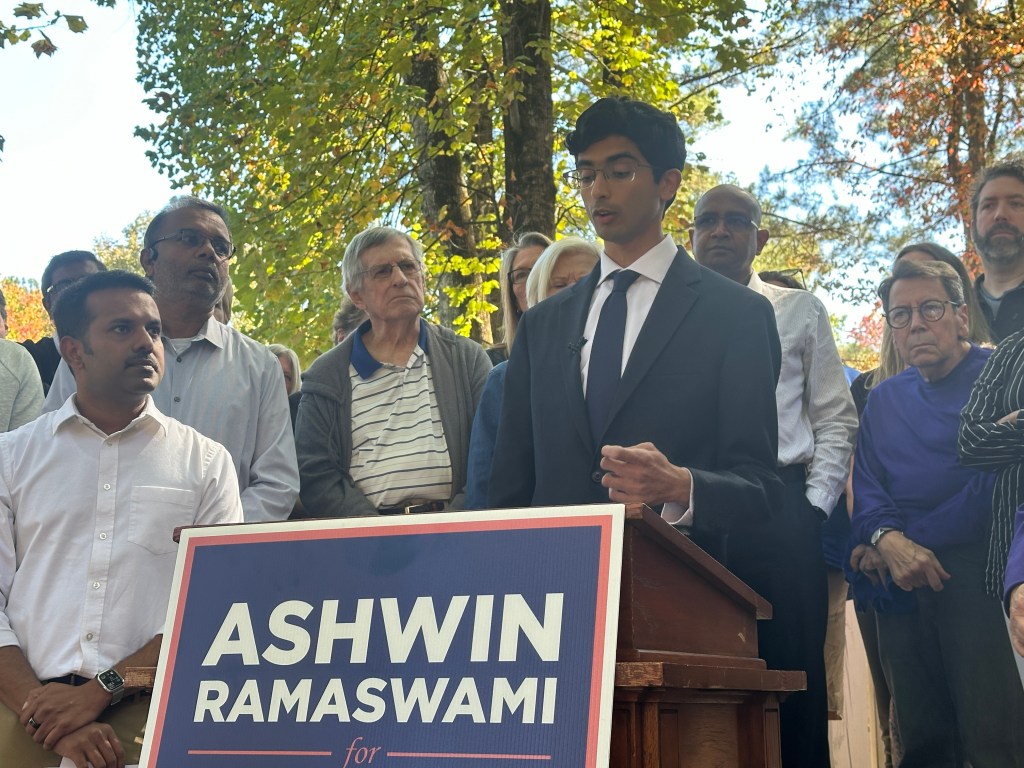
Dark money in political campaigns is another factor fueling many voters’ perception that electoral politics has become disconnected from representing people. We reported on how that manifested in a contentious Georgia Senate race this year between State Sen. Shawn Still (R-Johns Creek) and Democratic challenger Ashwin Ramaswami, where anonymous mailers linked to Still and his allies sparked death threats against his 25-year-old opponent.
We also reported on the often overlooked primary elections for positions like the DeKalb County CEO and Fulton County Sheriff. For many heavily Democratic metro-Atlanta counties, those races determined outright who would win the General Election in November.
Accountability politics
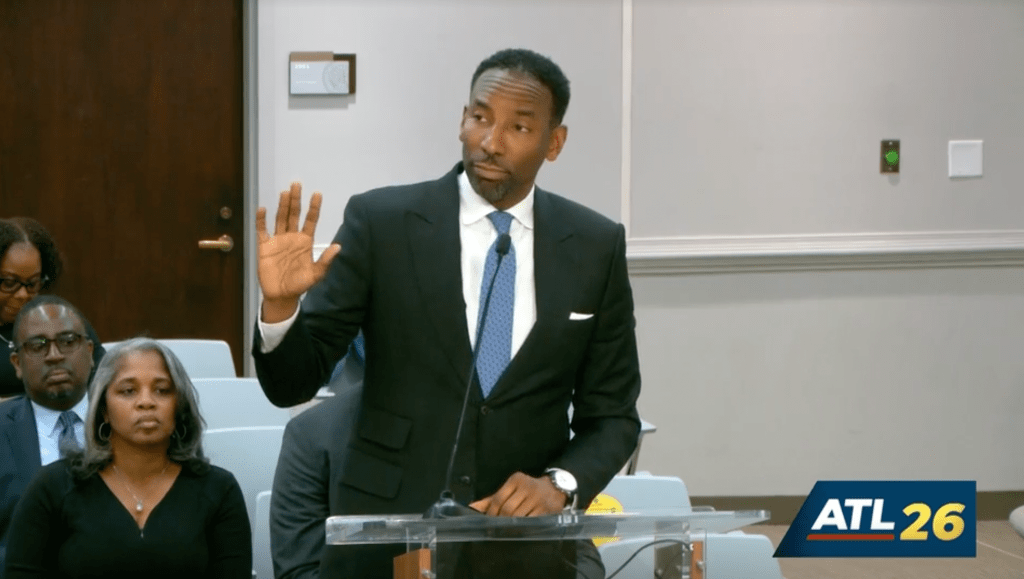
As the year drew to a close, we covered the ongoing feud between Mayor Andre Dickens and Atlanta’s Inspector General Shannon Manigault, who claimed last May that other city offices were obstructing her work rooting out waste and fraud in city government.
But some city officials, including the mayor, have questioned her office’s investigative methods. In response, the Atlanta City Council assembled a task force to assess the city’s Office of Inspector General, which Manigault heads, and in November the task force released recommendations that would curtail her office’s powers. Notably, the task force did not appear to consult with inspector generals in peer cities on best practices for Atlanta’s Office of Inspector General. So, we did.
The Office of Inspector General is one of the city’s three independent watchdog offices. Its investigations under Manigault’s leadership have uncovered a case of nepotism at the city’s human resources department, and a pay-to-play scheme in the permit department. It has also alleged that city officials played favorites in awarding a high-dollar 311 contract. The city has rejected that allegation.
The ball is now in the city council’s court. The council is expected to take action on the task force recommendations in January. It will also be voting this year on a proposal to make council members’ positions full-time, accompanied by a substantial pay raise. All 16 councilmembers, as well as the mayor, are up for reelection this year, so— Atlanta Civic Circle will be watching what happens next and how the public responds.